Best Wax That Will Shine My Car to Absolute Perfection
Finding the best wax that will shine my car does not have to be confusing or expensive. This guide breaks down the top-rated waxes, application methods, and pro tips to help you achieve a deep, mirror-like shine every single time. Whether you prefer carnauba wax, synthetic sealant, or a convenient spray, we have you covered with honest, expert-backed recommendations.
There is something deeply satisfying about seeing your car gleam under the sunlight. The right wax that will shine my car can transform a dull, tired-looking vehicle into a head-turner. But with so many products on the shelf, how do you know which one actually works? I have tested dozens of waxes over the years, and I am here to share what really matters.
Whether you are a weekend car enthusiast or someone who just wants their daily driver to look sharp, this guide will help you find the perfect car wax for a brilliant shine. We will explore different types of wax, compare the top products, and walk through the application process step by step. By the end, you will know exactly what to buy and how to use it.
The truth is, painting protection and gloss finish go hand in hand. A quality wax does more than just make your car look pretty. It creates a protective layer against UV rays, acid rain, bird droppings, and road grime. That means your paint stays healthier for longer. So let us dive in and find the best wax that will shine my car to absolute perfection.
Key Takeaways
- Right wax matters: Choosing between carnauba, synthetic, and spray wax depends on your car’s needs and how much shine you want.
- Preparation is everything: Washing and decontaminating your paint before waxing makes a massive difference in the final result.
- Application technique counts: Applying wax in thin, even layers and buffing with the right cloth gives you the best gloss.
- Avoid common mistakes: Waxing in direct sunlight or using too much product can ruin your finish and waste product.
- Frequency matters: Waxing every 2 to 3 months keeps your car’s paint protected and looking showroom-ready.
- Budget-friendly options exist: You do not need to spend a fortune to get a stunning shine.
- UV protection adds value: A good wax shields your paint from sun damage, bird droppings, and environmental contaminants.
📑 Table of Contents
- Why Waxing Your Car Makes Such a Big Difference
- Types of Car Wax Compared
- Top Picks: Best Wax That Will Shine My Car
- How to Apply Wax That Will Shine My Car Like a Pro
- Common Mistakes When Waxing Your Car
- How Often Should You Wax Your Car
- Expert Insights on Getting the Deepest Shine
- Budget vs. Premium: Does Price Determine Shine Quality
- Conclusion
Why Waxing Your Car Makes Such a Big Difference
Many car owners underestimate the power of a good wax job. They wash their vehicle regularly but skip the waxing step entirely. That is a mistake. Washing removes dirt, but it does not protect the paint. Wax fills in tiny imperfections on the surface and creates a smooth, reflective barrier.
When you apply the best wax that will shine my car, you are doing more than just adding shine. You are locking in the paint’s color and depth. The protective layer acts like sunscreen for your vehicle. It blocks harmful ultraviolet rays that cause fading and oxidation over time.
Beyond protection, a freshly waxed car is easier to clean. Water beads roll right off the surface, taking dirt and grime with them. This is called the hydrophobic effect, and it is one of the most satisfying results of a proper wax job. Your car stays cleaner for longer, which means less frequent washing and more time enjoying your ride.
What Happens When You Skip Waxing
Skipping waxing may not seem like a big deal at first. But over time, the paint loses its luster. Here is what can happen without regular waxing:
- Oxidation sets in: The clear coat dulls and becomes chalky-looking.
- Swirl marks appear: Everyday washing without protection creates fine scratches.
- UV damage accelerates: Sun exposure breaks down the paint’s clear coat faster.
- Contaminants bond to paint: Bird droppings, tree sap, and acid rain cause permanent etching.
- Resale value drops: A well-maintained, shiny car holds its value much better.
These are real consequences that every car owner should take seriously. A few dollars spent on wax sealant can save you thousands in paint correction or repainting later.
Types of Car Wax Compared
Not all waxes are created equal. Before you buy, it helps to understand the different types available. Each one has its own strengths, and the right choice depends on your goals and how much effort you want to put in.
Carnauba Wax
Carnauba wax comes from the leaves of a Brazilian palm tree. It is the gold standard in the car detailing world. This natural wax delivers a warm, deep glow that looks incredible on dark-colored cars. It creates a hard, durable protective layer that lasts several weeks.
The downside is that pure carnauba wax can be harder to apply and remove. It often comes in a paste form that requires more elbow grease. But if you want the richest, most luxurious gloss finish possible, carnauba is hard to beat.
Synthetic Wax and Sealants
Synthetic wax and paint sealants are made from polymers and chemicals. They bond to the paint at a molecular level, creating a very durable barrier. These products typically last longer than natural wax, sometimes up to six months.
The shine from synthetic products tends to be more of a wet, slick look rather than the warm glow of carnauba. Many people love this modern finish because it is easier to apply and buff off. If you want low-maintenance paint protection with lasting results, a synthetic sealant is a great choice.
Spray Wax
Spray wax is the quickest and easiest option. You simply spray it on and wipe it off. It is perfect for a quick touch-up between full waxing sessions. The downside is that spray wax does not last as long or provide as much protection as paste or liquid wax.
Think of spray wax as a refreshing boost rather than a deep treatment. It is ideal for people who want a fast shine enhancer without a lot of effort. Many car detailing pros keep a bottle of spray wax in their trunk for exactly this reason.
Hybrid Wax and Sealant Combos
Some products combine natural wax with synthetic polymers. These hybrids give you the best of both worlds. You get the warm glow of carnauba with the durability of a synthetic sealant. They are becoming increasingly popular among car waxing enthusiasts who want convenience and performance.
Top Picks: Best Wax That Will Shine My Car
Now let us get to the good stuff. Below are my top recommendations for the best wax that will shine my car. I have included options for different budgets and preferences so you can find the perfect fit.
Comparison Table
| Product | Type | Durability | Shine Level | Best For |
|---|---|---|---|---|
| Meguiar’s Ultimate Liquid Wax | Liquid Wax | 3-4 months | Excellent | Easy application, great gloss |
| Mother’s California Gold | Carnauba Paste | 2-3 months | Outstanding | Deep, warm glow on dark paint |
| Chemical Guys Butter Wet Wax | Hybrid | 3-5 months | Very Good | Budget-friendly all-rounder |
| Turtle Wax Hybrid Solutions | Synthetic Blend | 5-6 months | Very Good | Long-lasting protection |
| Adam’s Polishes Spray Wax | Spray Wax | 2-4 weeks | Good | Quick touch-ups between waxes |
| Collinite 845 Insulator Wax | Carnauba Paste | 4-6 months | Exceptional | Hard-core enthusiasts, show cars |
My Top Recommendation
If I had to pick just one best wax that will shine my car for most people, it would be Meguiar’s Ultimate Liquid Wax. It strikes the perfect balance between ease of use, durability, and shine quality. The liquid formula goes on smoothly, buffs off easily, and leaves behind a stunning deep shine that lasts for months. It works well on all paint colors and is forgiving for beginners.
For those who want the absolute richest glow, Mother’s California Gold Carnauba Paste is a fantastic choice. The warmth and depth of shine it produces is unmatched by any synthetic product. It does require more effort to apply, but the results are absolutely worth it.
How to Apply Wax That Will Shine My Car Like a Pro
Applying wax correctly makes all the difference between a mediocre result and a jaw-dropping finish. Even the most expensive wax that will shine my car will underperform if you apply it wrong. Here is the step-by-step process I follow every time.
Step 1: Wash and Decontaminate
Start with a clean surface. Wash your car thoroughly using a quality car shampoo and a microfiber wash mitt. Rinse well and dry it completely with a soft, clean towel. For the best results, use a clay bar to remove any embedded contaminants from the paint surface. This step ensures the wax bonds properly to the paint.
Step 2: Polish if Needed
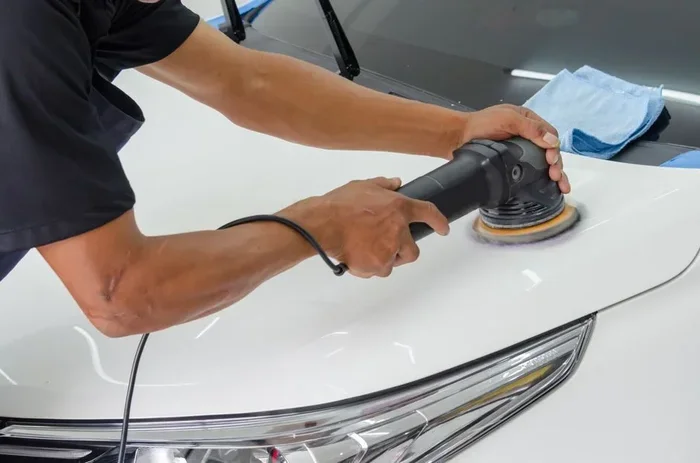
If your car has light swirl marks or oxidation, consider using a paint correction polish before waxing. A polish smooths out the clear coat, allowing the wax to sit evenly and reflect light better. You do not need to polish every time you wax, but doing it once or twice a year makes a noticeable difference.
Step 3: Apply Wax in Thin Layers
This is the most important tip I can share. Apply the best wax that will shine my car in thin, even layers. Use an applicator pad and work in small sections, about 2 feet by 2 feet. Less is more. A thick layer will be difficult to buff off and may leave haze behind.
Step 4: Buff Off with the Right Cloth
Wait for the wax to haze over, then buff it off with a clean microfiber towel. Use gentle, circular motions. Do not press too hard. A good quality microfiber towel makes all the difference in achieving a streak-free, brilliant finish.
Quick Tips for Better Results
- Work in the shade: Never wax your car in direct sunlight. The heat causes the wax to cure too quickly and becomes difficult to remove.
- Use a dual-action polisher: For large vehicles, a machine polisher speeds up the process and ensures even coverage.
- Check the weather: Apply wax on a cool, dry day with low humidity for the best bonding.
- Do not forget the edges: Pay extra attention to trim, door jambs, and wheel wells for a complete look.
- Use separate towels: Keep one towel for applying and another for buffing to avoid contamination.
Common Mistakes When Waxing Your Car
Even experienced car owners make mistakes when waxing. Learning what to avoid will save you time, money, and frustration. Here are the most common errors I see people make.
Using Too Much Product
More wax does not mean more shine. In fact, applying too much product creates a thick, gummy layer that is very hard to remove properly. A thin, even coat always gives better results. Remember, the protective layer works best when it is thin and bonded directly to the paint.
Waxing in Direct Sunlight
This is probably the number one mistake. Waxing your car under direct sun causes the product to dry too fast. It bonds unevenly, leaving streaks and patches that are difficult to buff out. Always find a shaded spot or wax your car in the evening.
Skipping the Prep Work
Applying wax over dirty or contaminated paint is a waste of time. The wax will not bond properly, and you will not get the deep shine you are looking for. Always wash, dry, and ideally clay-bar your car before waxing.
Using the Wrong Cloth
Not all towels are created equal. Using a cheap cotton towel or an old t-shirt can leave lint, scratches, and streaks behind. Invest in high-quality microfiber towels specifically designed for car detailing. They are gentle on paint and absorb wax beautifully.
Neglecting Regular Maintenance
Waxing once and forgetting about it is another common mistake. The protective layer breaks down over time from exposure to the elements. Set a reminder to reapply every 2 to 3 months to maintain that showroom shine and ongoing paint protection.
How Often Should You Wax Your Car
The frequency of waxing depends on several factors, including the type of wax you use, your local climate, and how much you drive. As a general rule, waxing every 2 to 3 months will keep your car looking fantastic year-round.
If you live in an area with harsh winters, road salt, and heavy sun exposure, you may need to wax more frequently. The UV protection and salt resistance from a quality wax become even more important in these conditions. On the other hand, if you garage your car most of the time, you can stretch the interval a bit longer.
Many car detailing experts recommend a seasonal approach. Wax in the spring to remove winter grime, again in summer for UV protection, once in fall before winter storms, and a light coat in winter if needed. This keeps your paint protected all year long.
Using a spray wax between full waxing sessions is a great way to maintain the shine without a full application. A quick spray and wipe every two weeks keeps the protective layer fresh and your car looking its best.
Expert Insights on Getting the Deepest Shine
I spoke with several professional car detailing experts to gather their top tips for achieving a show-car-level gloss finish. Here is what they had to say.
One expert shared that the secret to a truly deep shine comes down to patience. “Take your time with each step. Rushing through the process is the fastest way to a mediocre result,” he explained. Another pro emphasized the importance of using a polish before wax. “Polish opens up the clear coat and brings out the color depth. Then the wax seals it all in for a mirror-like finish,” he added.
A third tip from a seasoned detailer is to use a shine enhancer after waxing. These products add an extra layer of gloss and make the water bead even more effectively. It is a simple step that takes just minutes but makes a remarkable difference in the final appearance.
All three experts agreed on one thing: the best wax that will shine my car is only as good as the preparation and technique behind it. Invest time in the prep work, apply the product correctly, and the results will speak for themselves.
Budget vs. Premium: Does Price Determine Shine Quality
One question I get asked often is whether expensive wax is really worth it. The short answer is: it depends. Some premium car wax products deliver outstanding results, but there are also excellent budget-friendly options that perform just as well.
What matters most is the formulation and how well it suits your car’s paint type. A $15 liquid wax can outperform a $50 paste wax if it is better suited to your needs. The key is to look for products with good paint protection, a proven track record, and reviews from real users.
For those on a budget, Chemical Guys Butter Wet Wax offers incredible value. It provides a solid deep shine and decent durability at a very affordable price. On the premium end, Collinite 845 is a favorite among enthusiasts who want maximum durability and a rich, lustrous glow.
Do not let price be your only guide. Read reviews, watch application videos, and choose a product that fits your skill level and schedule. The best wax that will shine my car is the one you will actually use consistently.
Conclusion
Finding the best wax that will shine my car is easier than most people think. The key is understanding your options, preparing the surface properly, and applying the product with care. Whether you choose a natural carnauba wax, a long-lasting synthetic sealant, or a convenient spray wax, the results will speak for themselves.
Remember that waxing is not just about aesthetics. It is about protecting your car’s paint from the elements and preserving its value over time. A regular waxing routine with the right car wax keeps your vehicle looking stunning and well-protected for years to come.
Start with the tips and recommendations in this guide, experiment with different products, and find your personal favorite. Once you see the difference a proper wax job makes, you will never skip it again. Your car deserves to shine, and now you have everything you need to make it happen.
Frequently Asked Questions
What is the best wax for a car that is always parked outside?
If your car is exposed to the elements daily, a durable synthetic sealant or hybrid wax is your best bet. These products create a strong protective layer that resists UV rays, rain, and pollution. Turtle Wax Hybrid Solutions and Meguiar’s Ultimate Liquid Wax are excellent choices for outdoor-parked vehicles. They offer long-lasting UV protection and make washing easier thanks to their hydrophobic properties.
Can I wax my car in the winter?
Yes, you can wax your car in winter, and it is actually a great idea. Winter exposes your paint to salt, road grime, and moisture that can cause damage. Apply the best wax that will shine my car before winter sets in to create a strong barrier. Just make sure the car is dry and the temperature is above freezing during application for proper bonding.
How long should I wait to drive after waxing my car?
Most waxes cure within 1 to 2 hours, but it is best to wait at least 24 hours before driving or getting the car wet. This allows the protective layer to fully bond with the paint. Check the specific instructions on your wax product, as curing times can vary. Avoid parking under trees or near construction during this period.
Is carnauba wax better than synthetic wax?
Neither is objectively better; they serve different purposes. Carnauba wax provides a warm, rich glow that looks incredible but lasts a shorter time. Synthetic wax offers longer-lasting paint protection and easier application but with a slightly different shine profile. Many people use both, applying a synthetic sealant first and topping it with carnauba wax for the best of both worlds.
Will waxing remove existing swirl marks and scratches?
Wax alone will not remove swirl marks or scratches. However, it can make them less noticeable by creating a smooth, reflective surface. For actual correction, you need a paint correction polish before waxing. The polish removes a thin layer of clear coat to level out imperfections, and the wax then seals and protects the corrected surface.
What is the difference between wax and a ceramic coating?
A ceramic coating is a liquid polymer that chemically bonds to the paint, creating a semi-permanent protective layer. It lasts much longer than traditional wax, often 1 to 2 years. However, ceramic coatings require professional installation or significant preparation and are more expensive. Traditional car wax is easier to apply, more affordable, and provides a warmer, more natural shine. Both options offer excellent paint protection but cater to different needs and budgets.