The Complete Guide to Stout Beer for Every Beer Lover
Stout beer is one of the most popular dark beer styles in the world, loved for its rich flavor, creamy texture, and deep history. This complete guide to stout beer covers everything from the different stout styles and brewing process to food pairings and serving tips. Whether you are new to dark beer or a seasoned craft beer fan, you will find practical advice and fun facts inside.
Key Takeaways
- Stout beer comes in many styles: from dry stout and imperial stout to oatmeal stout, milk stout, and barrel-aged stout.
- The brewing process uses roasted malt: which gives stout its dark color and rich, complex flavor profile.
- Stout food pairing is easy: chocolate, coffee, grilled meats, and stews all pair beautifully with this dark beer.
- Serving temperature matters: aim for 45-55°F to bring out the best flavors in your stout.
- Stout has a rich history: it evolved from porter beer in 18th-century England and became a global favorite.
- ABV varies widely: some stouts are session-friendly at 4%, while imperial stouts can reach 12% or higher.
- Common mistakes include serving too cold: this masks the complex flavors you want to enjoy.
📑 Table of Contents
What Is Stout Beer?
Stout is a dark beer style that has captured the hearts of beer lovers around the globe. It is known for its deep color, rich flavor, and smooth, often creamy mouthfeel. If you have ever wondered what makes stout different from other dark beers, you are in the right place.
At its core, stout is made using roasted malt, which gives it the dark brown to black color and flavors of coffee, chocolate, and caramel. The brewing process for stout involves special malting techniques that create these bold tastes. While many people group all dark beer under one umbrella, stout has its own unique identity within the world of craft beer.
The beauty of stout is its versatility. Some stouts are light and drinkable, while others are heavy and intense. Whether you prefer a simple dry stout or a complex barrel-aged stout, there is a style out there for you. This guide will walk you through every major category so you can find your perfect pint.
How Stout Differs from Porter
People often confuse stout with porter, and it is easy to see why. Both are dark beer styles that use roasted malt. However, there are key differences. Historically, porter came first in the 1700s, and stout actually started as a stronger version of porter. The word “stout” originally meant strong or bold, not dark.
Today, the line between porter and stout is blurry. Generally, stout tends to use more roasted barley, which gives it a drier, more roasted flavor. Porter often tastes sweeter and uses more chocolate malt. Both are excellent beer styles, and trying them side by side is a fun way to explore dark beer.
Popular Stout Styles You Should Know
The world of stout is incredibly diverse. Each style brings something unique to the table. Here are the most popular types you will encounter.
Dry Stout
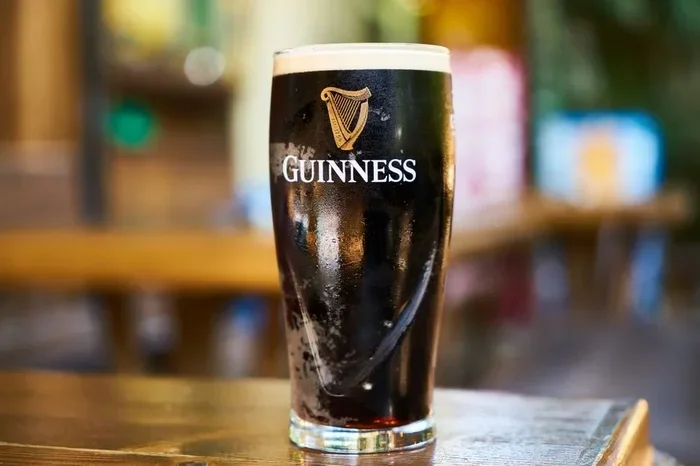
Dry stout is the classic style most people think of when they hear the word stout. Irish stout is the best-known example, with brands like Guinness leading the way. A dry stout has a smooth, slightly bitter taste with notes of coffee and roasted barley.
These stouts are typically low in ABV, usually around 4-5%. They are easy to drink and perfect for beginners. The dry finish is what sets this style apart from sweeter dark beers. If you want to start your stout journey, this is the one to try first.
Imperial Stout
Imperial stout is the heavyweight champion of the stout world. Originally brewed in Russia for the Russian Imperial Court, these beers pack a serious punch. They have high ABV, often 8-12%, and bold flavors of dark fruit, chocolate, and coffee.
Many craft breweries now make imperial stout, and barrel-aging adds even more complexity. Bourbon barrel-aged stout is especially popular. These beers are best sipped slowly and enjoyed in small quantities. They are perfect for cold evenings when you want something rich and warming.
Oatmeal Stout
Oatmeal stout gets its name from the oats added during the brewing process. These oats create a silky, smooth texture that feels luxurious in the mouth. The flavor is mild and approachable, with subtle notes of nuttiness and light roast.
Oatmeal stout is a great choice if you find other stouts too bitter or intense. The oats soften the roastiness and add body without adding sweetness. It is one of the most food-friendly stout styles, pairing well with almost any meal.
Milk Stout
Milk stout, also called sweet stout, contains lactose, a sugar found in milk. The lactose does not ferment, which leaves a natural sweetness in the finished beer. This gives milk stout a creamy, dessert-like quality that many beer lovers adore.
Chocolate milk stout is a popular variation that adds cocoa flavors to the mix. These stouts taste like a liquid chocolate bar and are perfect for those with a sweet tooth. Just be aware that milk stout tends to have more calories than other styles.
Nitrogen Stout
Nitrogen stout is a modern twist on the classic style. Instead of carbon dioxide, nitrogen gas is used to carbonate the beer. This creates tiny bubbles that give the beer a thick, creamy head and a smooth, almost velvety texture.
The most famous nitrogen stout is Guinness Draught, served from a special tap with two knobs. The nitrogen gives it that signature cascading effect when you pour it. If you have not tried a nitrogen stout yet, you are missing a truly unique drinking experience.
The Rich History of Stout Beer
The stout history goes back centuries. It all started with porter, a dark beer that became wildly popular in London in the early 1700s. Porter was the working-class drink of choice, affordable and flavorful. Soon, brewers began making stronger versions of porter, and they called them “stout porter.”
Over time, the word “porter” was dropped, and “stout” became its own style. Ireland played a huge role in popularizing stout globally. Guinness, founded in Dublin in 1759, turned stout into a worldwide phenomenon. The company still dominates the stout market today and has inspired countless craft breweries to create their own versions.
Today, stout is brewed on every continent. From traditional Irish dry stout to experimental barrel-aged stout, the style continues to evolve. Craft beer has expanded the possibilities enormously, and brewers are constantly pushing the boundaries of what stout can be. Coffee stout, chocolate stout, and even pastry-inspired stouts are now common in the craft beer world.
Stout Beer Food Pairings
Stout food pairing is one of the most enjoyable parts of drinking this style. The rich, roasted flavors of stout complement a wide range of foods. Here are some tried-and-true combinations that work beautifully.
Chocolate desserts are the most classic pairing. A milk stout or imperial stout alongside a chocolate cake or brownie is a match made in heaven. The roasted malt in the beer echoes the cocoa notes in the dessert, creating a harmonious flavor experience.
Grilled meats also pair wonderfully with stout. Think steak, burgers, or smoked ribs. The bitterness of a dry stout cuts through the fat and enhances the savory flavors. Stews and braised dishes are another excellent match, especially beef stew or lamb shanks. The hearty body of stout stands up to rich, slow-cooked meals.
For cheese lovers, aged cheddar, gouda, and blue cheese all pair well with stout. The creaminess of the cheese balances the roastiness of the beer. If you are hosting a dinner party, consider building your menu around a central stout theme. Your guests will appreciate the thoughtful pairing.
How to Serve and Enjoy Stout
Serving stout the right way makes a huge difference in taste. Many people make simple mistakes that mask the complex flavors they paid for. Here is how to get the most out of every glass.
Best Glasses for Stout
The right glassware enhances your drinking experience. A stout glassware like a tulip glass or a nonic pint glass works best. These glasses are designed to concentrate the aroma and support a thick, creamy head. A snifter also works well for imperial stout, as it allows you to cup the glass and trap the aromas.
Avoid drinking stout from a regular tumbler or a glass that is too wide. The shape of the glass affects how the beer releases its scent and flavor. Pouring into the right glass is a small step that makes a big difference.
Serving Temperature Tips
Serving temperature is critical for stout. Many people serve dark beer too cold, which numbs the flavors and hides the complexity. The ideal serving temperature for stout is between 45 and 55 degrees Fahrenheit.
Take your stout out of the fridge about 10-15 minutes before drinking. This small wait allows the beer to warm just enough to release its full flavor profile. You will notice more coffee, chocolate, and caramel notes when the beer is at the right temperature.
For imperial stout, some drinkers prefer it even slightly warmer, around 55-60 degrees. Experiment and find what works best for your palate. The key is to avoid ice-cold serving, which is the most common mistake people make with stout.
Quick Tips for the Best Stout Experience
- Always pour your stout at a 45-degree angle to build a nice head.
- Let the beer settle for a minute after the first pour, then top off the glass.
- Store stout in a cool, dark place away from direct sunlight.
- Check the ABV before ordering, especially with imperial stout.
- Smell the beer before sipping to appreciate the full aroma.
Common Mistakes When Drinking Stout
Even experienced beer drinkers sometimes make mistakes with stout. Avoiding these errors will help you enjoy every sip more.
The first mistake is serving stout too cold. As mentioned above, cold temperatures suppress the roasted malt flavors and make the beer taste flat. Let it warm up a bit before drinking.
The second mistake is choosing the wrong stout for the occasion. A heavy imperial stout is not ideal for a hot summer day, just as a light dry stout might feel too simple for a cozy winter evening. Match the weight and intensity of the stout to the setting.
The third mistake is ignoring the ABV. Some stouts, especially imperial and barrel-aged varieties, can be deceptively strong. Drinking too much too quickly can lead to an unpleasant experience. Sip slowly, savor the flavors, and know your limits.
Another common error is not giving the beer enough time to open up. Stout is a complex beer style that changes as it warms and as oxygen interacts with it. Give yourself time to taste each sip fully before moving on.
Finally, do not overlook the importance of fresh beer. Stout, especially those with coffee or chocolate additions, can lose their vibrancy over time. Check the date on the bottle or can, and always buy from reputable craft beer shops that store their stock properly.
Stout Calories and Nutrition
Many beer drinkers wonder about stout calories before ordering. A standard 12-ounce serving of dry stout typically contains around 120-150 calories. This is comparable to many other beer styles and is reasonable for most diets.
Imperial stout and milk stout tend to have more calories due to higher ABV and residual sugars. A 12-ounce imperial stout can have 200-300 calories or more. If you are watching your intake, a dry stout or oatmeal stout is the better choice.
Stout also contains some nutrients from the roasted malt and barley. These include B vitamins, antioxidants, and soluble fiber. Of course, stout should be enjoyed in moderation, but knowing the nutritional side helps you make informed choices.
Conclusion
Stout beer is a remarkable style that offers something for everyone. From the smooth, approachable dry stout to the bold, complex imperial stout, the variety within this beer category is truly impressive. The rich history, the careful brewing process, and the endless flavor possibilities all make stout a standout in the craft beer world.
Now that you understand the different styles, how to serve them, and what foods pair best, you are ready to explore with confidence. Start with a classic dry stout, then work your way up to oatmeal stout, milk stout, and beyond. Each style tells a story and offers a unique tasting experience.
The next time you are at a bar or browsing the beer aisle, remember everything you have learned here. Order a stout with intention, savor it at the right temperature, and share your discoveries with friends. The world of stout is waiting for you, and there is always something new to taste.
Frequently Asked Questions
What is the difference between stout and regular beer?
The main difference lies in the malt used. Stout is brewed with roasted malt or roasted barley, which gives it a dark color and bold flavors like coffee and chocolate. Regular beer, especially lagers and pale ales, uses lighter malts and tends to be clearer and lighter in taste. Stout also generally has a fuller body and creamier mouthfeel than standard beer styles.
Is stout beer high in alcohol?
It depends on the style. A classic dry stout like Guinness has an ABV of around 4-5%, which is moderate. However, imperial stout and barrel-aged stout can have ABV levels of 8-12% or even higher. Always check the label if you want to know the alcohol content before drinking. This is especially important with imperial stout, which can be quite strong.
Can I age stout beer?
Yes, many stouts age beautifully, especially imperial stout and barrel-aged stout. The high ABV and robust flavors allow these beers to develop new characteristics over time. Some brewers age their stout in bourbon barrels for months or even years. If you enjoy collecting beer, aged stout is a rewarding category to explore.
What is a nitrogen stout?
A nitrogen stout uses nitrogen gas instead of carbon dioxide for carbonation. This creates smaller bubbles that give the beer a thick, creamy texture and a cascading pour effect. The most famous example is Guinness Draught, which is served through a special two-knob tap. Nitrogen stout tastes smoother and less fizzy than regular carbonated beer.
What foods pair best with stout beer?
Stout pairs wonderfully with chocolate desserts, grilled meats, stews, and aged cheeses. The roasted malt flavors in stout complement rich, savory, and sweet foods equally well. For a simple pairing, try a dry stout with a chocolate brownie or a burger. For something more adventurous, pair an imperial stout with a braised short rib dish.
How should I store stout beer?
Store stout in a cool, dark place away from direct sunlight. Ideally, keep it between 50 and 55 degrees Fahrenheit. Avoid storing it in warm areas or near strong-smelling foods, as beer can absorb odors. Most stouts are best enjoyed fresh, but barrel-aged stout can benefit from aging in proper conditions. Always check the expiration date on the bottle or can.
=== CONCLUSION ===
Stout beer is a diverse, flavorful, and deeply satisfying style that deserves a place in every beer lover’s journey. Whether you prefer a light and creamy oatmeal stout or a bold, boozy imperial stout, there is a world of flavor waiting to be explored. Use this guide to navigate the different styles, pair your stout with the right food, and serve it at the perfect temperature.
The more you explore, the more you will appreciate the craft and tradition behind every pint. So grab a glass, pour your favorite stout, and enjoy the experience. Cheers!