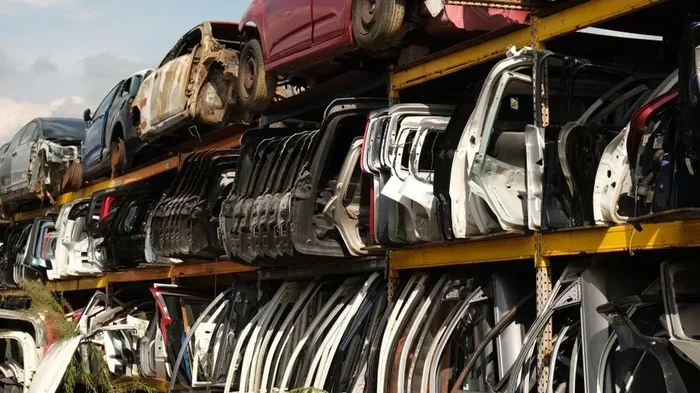
Sell My Car for Parts and Maximize Your Profit Today
Selling your car for parts can earn you significantly more money than a traditional sale. This guide walks you through every step of the process, from valuing your vehicle to finding the right buyers. You will learn proven strategies to maximize your profit and avoid common pitfalls that cost sellers thousands.
Have you ever wondered what your old car is really worth? Most people assume their vehicle is only good for the scrap heap. But here is the truth: sell my car for parts and you might be shocked by how much money you can pull out of it.
Whether your car no longer runs, has been in an accident, or is simply too old to drive, it still holds value. Individual car parts often sell for far more than the whole vehicle would at a junkyard. This guide will show you exactly how to unlock that value and walk away with maximum profit.
We will cover everything from figuring out what your car is worth, to dismantling it safely, to finding buyers who will pay top dollar. By the end of this article, you will have a clear roadmap to turn your old vehicle into cash. Let us dive in.
Key Takeaways
- Sell my car for parts to earn more than a whole-vehicle sale, especially for older or damaged cars.
- Know your car’s parts value by researching demand, condition, and current market prices.
- Follow a step-by-step process to dismantle, list, and sell each part safely and efficiently.
- Avoid common mistakes like skipping documentation, underpricing parts, or ignoring local regulations.
- Use multiple selling channels such as online marketplaces, local junkyards, and auto parts forums.
- Maximize profit by focusing on high-demand parts like engines, transmissions, and catalytic converters.
- Time your sale strategically to match buyer demand and seasonal trends.
📑 Table of Contents
- Why Sell My Car for Parts Instead of Selling It Whole?
- How to Determine Your Car’s Parts Value
- Step-by-Step Guide to Selling My Car for Parts
- Common Mistakes to Avoid When Selling Car Parts
- Quick Tips to Maximize Your Profit
- Where to Sell My Car for Parts and Get the Best Price
- The Environmental Impact of Selling Car Parts
Why Sell My Car for Parts Instead of Selling It Whole?
Selling a car as a whole might seem easier. You call a buyer, they give you a number, and you hand over the keys. But that number is often far below what the car is truly worth. When you sell my car for parts, you break it down and sell each component separately. The difference in profit can be staggering.
Here is a quick look at why parts selling wins:
- Higher total payout: Individual parts often sell for 2 to 5 times more than the scrap value of the whole vehicle.
- Less competition: Junkyards buy whole cars at rock-bottom prices. Parts buyers are willing to pay more because they need specific components.
- Works for damaged cars: Even if your car does not run, its parts might be in perfect condition and highly sought after.
- Flexibility: You can sell parts over time instead of all at once, letting market demand work in your favor.
When Does Selling for Parts Make the Most Sense?
Not every car is worth parting out. But certain situations make it the clear winner. If your car is less than 20 years old and still has a recognizable brand, the parts market will likely be strong. Luxury vehicles, popular sedans, and trucks tend to have the highest demand for used components.
Cars with salvage titles can still be profitable. A salvage title simply means the car was declared a total loss by an insurance company. It does not mean every part is destroyed. Many salvage vehicles have perfectly good engines, transmissions, and body panels that buyers need. So do not write off your car just because it has a salvage title.
Another great candidate is any car with rare or high-demand parts. Think about specialty vehicles, classic cars, or models with parts that are no longer in production. These parts can command premium prices because replacements are hard to find.
How to Determine Your Car’s Parts Value
Before you start selling, you need to know what your car is worth. Understanding the car parts value of your vehicle saves you from guessing and helps you price each part correctly. This step is the foundation of a profitable parts sale.
Research Demand for Your Car Model
Start by searching for your car’s make, model, and year on parts marketplaces. Websites like RockAuto, PartsGeek, and even eBay Motors show you what similar parts are selling for. Pay attention to how many listings exist and how quickly parts sell. High demand with low supply equals higher prices for you.
Popular models like the Honda Civic, Toyota Camry, and Ford F-150 have massive parts markets. These vehicles are driven for years, so there is always someone looking for replacement parts. On the other hand, obscure models might have a smaller buyer pool, so adjust your expectations accordingly.
Identify the Most Valuable Parts
Not all parts are created equal. Some components carry a much higher price tag than others. Here is a list of the parts that typically bring the most money when you sell my car for parts:
- Catalytic converter: Contains precious metals like platinum and palladium. These can sell for $100 to $800 or more depending on the vehicle.
- Engine and transmission: Complete powertrain units are always in demand, especially for popular models.
- Headlights and taillights: OEM (original manufacturer) lights sell for a premium over aftermarket alternatives.
- Body panels and doors: Especially valuable for models where replacement panels are hard to find.
- ECU (Engine Control Unit): The car’s computer brain can sell for $200 to $500 on the used market.
- Wheels and rims: Alloy wheels in good condition attract buyers quickly.
- GPS and infotainment systems: Built-in navigation and stereo units hold value well.
Use a Car Parts Pricing Guide
Do not guess at prices. Use established pricing guides and online tools to get accurate values. Edmunds, Kelley Blue Book, and NADA Guides all offer parts pricing information. You can also check completed listings on eBay to see what buyers actually paid, not just what sellers asked.
Quick tip: Always price your parts slightly below brand-new replacement costs. Buyers want a deal, and used parts should cost less than new ones. A 30 to 50 percent discount off new part prices is a solid starting point.
Step-by-Step Guide to Selling My Car for Parts
Now that you understand the value of your car and which parts matter most, let us walk through the actual process. Breaking this down into clear steps makes it manageable and less overwhelming.
Step 1: Gather Your Documentation
Before you do anything else, collect all your paperwork. You will need the vehicle title, registration, and any maintenance records you have. Clear documentation builds buyer trust and protects you legally. Some states also require a bill of sale when selling individual parts, so check your local regulations.
If you do not have the title, contact your local DMV to request a replacement. Most states allow you to obtain a duplicate title for a small fee. Having the title in hand is non-negotiable for a legitimate parts sale.
Step 2: Assess and Photograph Every Part
Walk around your car and assess each component. Take clear, well-lit photos from multiple angles. Good photos dramatically increase sell-through rates on online marketplaces. Show any wear, damage, or defects honestly. Transparency builds trust and reduces returns and disputes.
Create an inventory list of every part you plan to sell. Include the part name, year, make, model, and condition. This list becomes your reference guide and helps you stay organized throughout the selling process.
Step 3: Remove and Prepare the Parts
You do not need to be a mechanic to remove basic parts. Start with the easy wins: wheels, mirrors, lights, and interior components. Use basic hand tools and take your time. If you are unsure about removing a part, watch a tutorial video specific to your car model.
For complex parts like the engine or transmission, you might want to hire a professional. A local mechanic can remove these components for a reasonable fee. The extra cost is usually worth it because these parts command the highest prices.
Clean every part before you list it. A clean engine looks and photographs much better than a greasy one. Use degreaser for engine components and interior cleaner for dashboards and seats. First impressions matter a lot when selling used parts.
Step 4: List and Sell Your Parts
Now comes the fun part: actually selling. Choose your selling channels wisely. Each platform has its strengths, and using multiple channels maximizes your reach and profit.
Online marketplaces like eBay Motors, Facebook Marketplace, and Craigslist are excellent starting points. They have large audiences and are free or low-cost to use. Auto-specific forums and Facebook groups dedicated to your car model can also be goldmines. Enthusiast communities often pay premium prices for hard-to-find parts.
Local junkyards and auto salvage yards will buy bulk parts from you if you do not want to sell individually. While the per-part price is lower, it saves you time and effort. This option works well for parts with lower demand or parts that are difficult to ship.
Common Mistakes to Avoid When Selling Car Parts
Even with the best intentions, sellers make mistakes that cost them money. Learning from others’ errors helps you avoid the same pitfalls. Here are the most common mistakes people make when they sell my car for parts:
- Skipping the documentation: Selling parts without a clear title or bill of sale can lead to legal trouble. Always have proper paperwork in order.
- Underpricing parts: Many sellers undervalue their parts out of fear they will not sell. Research comparable listings and price competitively. You can always lower the price if a part does not move.
- Ignoring shipping costs: If you sell online, factor shipping into your pricing. Underpricing because you forgot to account for shipping eats into your profit.
- Selling to the first buyer: The first offer is rarely the best offer. Let parts sit for a few days and see what offers come in. Patience pays off.
- Neglecting safety: Removing parts like airbags or catalytic converters requires care. Airbags can deploy accidentally if mishandled. Always follow safety protocols.
- Forgetting about local regulations: Some areas have rules about dismantling vehicles on private property. Check with your local authorities before you start tearing things apart.
Expert Insight: The Power of Niche Selling
Auto parts expert Sarah Mitchell has spent over 15 years in the car parts industry. She advises sellers to focus on niche markets. “The biggest profit comes from selling parts that are hard to find,” she explains. “If you have a 10-year-old Honda that still needs a specific trim piece, the owner will pay almost anything to get it. General parts like mirrors and lights are much more competitive.”
Mitchell also recommends building a reputation. “Leave great feedback, ship fast, and describe parts accurately. Repeat customers and referrals are the real money-makers in this business.”
Quick Tips to Maximize Your Profit
Want to squeeze every last dollar out of your car? These quick tips will help you get the most money possible when you sell my car for parts:
- Sell high-demand parts first: Catalytic converters, engines, and transmissions should go on the market early. These parts move fast and attract serious buyers.
- Bundle parts for extra value: Offer discounts when buyers purchase multiple parts together. This encourages larger orders and builds customer loyalty.
- Use seasonal timing: Sell convertible tops and AC compressors in spring and summer. Sell heaters and radiator parts in fall and winter. Timing your listings with seasonal demand boosts sell-through rates.
- Offer warranties on major parts: A 30-day warranty on an engine or transmission gives buyers confidence and justifies a higher price.
- Keep your listings updated: Refresh your online listings regularly. Updated listings get more visibility on marketplaces and attract more buyers.
- Network with local mechanics: Independent mechanics often need used parts for customer repairs. Building relationships with local shops creates a steady stream of buyers.
Where to Sell My Car for Parts and Get the Best Price
Choosing the right selling platform makes a huge difference in how much profit you actually keep. Not all channels are created equal, and some will pay significantly more than others. Here is a breakdown of the best options:
| Selling Channel | Pros | Cons | Best For |
|---|---|---|---|
| eBay Motors | Large audience, global reach, buyer protection | Fees, shipping complexity | High-value parts, rare components |
| Facebook Marketplace | Free to list, local buyers, easy communication | Limited to local area, more negotiation | Body panels, wheels, interior parts |
| Craigslist | Free, local, fast sales | Safety concerns, lower prices | Common parts, quick local sales |
| Auto Parts Forums | Enthusiast buyers, higher prices | Smaller audience, slower sales | Rare, classic, or specialty parts |
| Local Junkyard | Fast, easy, no shipping | Lower per-part price | Bulk sales, low-demand parts |
| Car Auction Sites | Competitive bidding, good for bulk | Requires listing effort, fees | Multiple parts, full component sets |
The smartest approach is to combine channels. List high-value parts on eBay where buyers are willing to pay premium prices. Sell common parts locally on Facebook Marketplace or Craigslist to avoid shipping costs. Use junkyards for parts that do not move online. This multi-channel strategy ensures you reach the right buyer for every part.
How to Price Parts for Maximum Profit
Pricing is both an art and a science. Start with your research from the pricing guide section. Then adjust based on condition, rarity, and demand. Parts in pristine condition with original packaging sell for more than used, damaged parts. Rare parts that no longer have manufacturer support command a significant premium.
Watch your competitors. If similar parts are listed at a certain price, match or slightly undercut that price to stay competitive. As you gain experience, you will develop an instinct for the right price point. Trust your research and do not be afraid to adjust prices as market conditions change.
The Environmental Impact of Selling Car Parts
Selling your car for parts is not just profitable. It is also environmentally responsible. When you sell my car for parts, you extend the life of vehicle components and reduce the demand for new manufacturing. This means less mining, less energy consumption, and fewer emissions from production facilities.
Car recycling is a massive industry that keeps millions of tons of steel, aluminum, and other materials out of landfills every year. By selling parts individually, you contribute to this circular economy. Even parts that do not sell can be recycled through proper channels, ensuring nothing goes to waste.
Plus, there is a growing consumer movement toward buying used and refurbished auto parts. Many buyers choose used parts specifically because they are more sustainable than new replacements. Your decision to sell parts instead of scrapping the whole car aligns with this eco-friendly trend.
Key Takeaways
- Selling car parts individually almost always earns more than selling the whole vehicle for scrap.
- Research your car’s parts value before you start so you know what to expect.
- Focus on high-demand parts like engines, transmissions, and catalytic converters for the biggest profit.
- Use multiple selling channels to reach the widest audience and get the best prices.
- Avoid common mistakes like poor documentation, underpricing, and skipping safety precautions.
- Time your sales strategically and bundle parts for extra value.
- Selling parts is eco-friendly and supports a sustainable circular economy.
The process of selling my car for parts takes effort, but the rewards are well worth it. You turn a vehicle that would otherwise sit idle into a source of real income. With the right approach, patience, and a little knowledge, you can maximize your profit and walk away feeling great about the entire experience.
Start today. Assess your car, identify the most valuable parts, and list them on the right platforms. Follow the steps in this guide, learn from each sale, and watch your profit grow. Your old car has more value than you think. Go unlock it.
Frequently Asked Questions
How much can I realistically earn by selling my car for parts?
Most sellers earn between $500 and $3,000 depending on the car’s make, model, year, and condition. Popular models with high-demand parts tend to earn the most. Luxury vehicles and trucks often fall on the higher end of that range.
Do I need mechanical skills to sell my car for parts?
No, you do not need to be a mechanic for most parts. Basic components like wheels, mirrors, lights, and interior pieces are easy to remove with common hand tools. For complex parts like engines or transmissions, you can hire a local mechanic to help.
Where can I sell my car parts locally?
Facebook Marketplace, Craigslist, and local auto salvage yards are your best options for local sales. You can also list parts in community Facebook groups dedicated to car enthusiasts or specific vehicle models.
Is it better to sell my car for parts or sell it whole?
For most older or damaged vehicles, selling for parts earns significantly more money. Whole-vehicle sales typically go for scrap value, which is much lower than the combined value of individual parts. The trade-off is that parts selling takes more time and effort.
What paperwork do I need to sell car parts?
You will need the vehicle title, registration, and a bill of sale. Some states have specific requirements for selling individual parts, so check with your local DMV before you begin. Proper documentation protects both you and the buyer.
How long does it take to sell all the parts from a car?
This varies widely based on the car model, part demand, and your selling channels. High-demand parts can sell within days, while rarer components might take weeks or even months. Most sellers complete the process within 2 to 4 months when using multiple selling platforms.
=== CONCLUSION ===
Selling my car for parts is one of the smartest moves you can make with an old, damaged, or non-running vehicle. Instead of letting it sit and depreciate, you turn it into cash. The process requires some effort, but the profit potential is enormous compared to a traditional scrap sale.
Follow the steps outlined in this guide. Research your car’s value, identify the highest-demand parts, remove them carefully, and list them on the right platforms. Avoid the common mistakes that trip up new sellers, and use the quick tips to squeeze out maximum profit. With patience and persistence, you will see real results.
Your car is not junk. It is a collection of valuable components waiting to be unlocked. Take action today, and start putting money back in your pocket from a vehicle that was otherwise headed for the scrap pile.


