Halfords Oil The Complete Guide To Choosing The Right One
Choosing the right halfords oil keeps your engine healthy and your car running longer. This guide covers everything you need to know about oil grades, types, and how to pick the best option for your vehicle. Whether you drive a small city car or a larger family SUV, we have you covered.
When it comes to keeping your car in top shape, few things matter as much as halfords oil. Your engine has hundreds of moving parts that spin, rub, and grind against each other every single time you turn the key. Without proper lubrication, those parts would wear down fast and leave you with a very expensive repair bill.
Halfords is one of the most trusted names in car parts across the UK. They offer a wide range of engine oils for all kinds of vehicles. But with so many options on the shelf, how do you know which one is right for you? That is exactly what this guide will help you figure out. By the end, you will feel confident picking the perfect halfords oil for your car.
We will walk you through oil grades, types, and common mistakes to avoid. You will learn simple tips that save you money and keep your engine running smoothly for years. Let us get started.
Key Takeaways
- Know your oil grade: Understanding viscosity numbers like 5W-30 or 10W-40 helps you pick the right halfords oil for your engine.
- Synthetic vs mineral matters: Full synthetic oil offers the best protection, while mineral oil suits older engines on a budget.
- Check your owner manual: Always match your oil choice to what your car manufacturer recommends.
- Change your oil regularly: Sticking to a proper oil change schedule prevents engine wear and costly repairs.
- Halfords offers options for every budget: From affordable mineral oils to premium synthetic blends, there is something for everyone.
- Watch for warning signs: Dark oil, strange noises, or reduced performance mean it is time for an oil change.
📑 Table of Contents
- What Is Halfords Oil And Why Does It Matter
- Understanding Oil Grades And Viscosity
- Types Of Halfords Oil: Synthetic Vs Mineral
- How To Choose The Right Halfords Oil For Your Car
- Common Mistakes When Choosing Engine Oil
- Tips For Changing Your Oil At Home
- Expert Insights On Halfords Oil
- Key Takeaways
- Conclusion
What Is Halfords Oil And Why Does It Matter
Halfords oil is engine oil sold through Halfords, a leading retailer of car parts and accessories in the United Kingdom. They stock oils from well-known brands and also offer their own Halfords branded range. These products are designed to protect your engine, reduce friction, and keep everything running at the right temperature.
Engine oil does several important jobs at once. It lubricates moving parts so they do not grind against each other. It cleans away tiny bits of dirt and debris that build up inside the engine. It also helps cool down hot areas and prevents rust and corrosion from forming over time.
The Role Of Engine Oil In Your Vehicle
Think of engine oil like the bloodstream of your car. Just as blood carries nutrients to every part of your body, oil carries protection to every part of your engine. Without it, metal parts would quickly wear down, overheat, and seize up. This is why choosing the right halfords oil is not just a good idea, it is essential.
Most drivers do not think about their oil until something goes wrong. But a simple habit of checking your oil level and changing it on time can add years to your engine life. It also helps you avoid breakdowns and keeps your car running efficiently.
Understanding Oil Grades And Viscosity
One of the most confusing parts of picking engine oil is understanding the numbers on the bottle. You will see things like 5W-30, 10W-40, or 0W-20 printed clearly on every halfords oil container. These numbers tell you the oil’s viscosity, which is just a fancy word for how thick or thin the oil is at different temperatures.
The “W” stands for winter. The number before the W tells you how the oil flows in cold temperatures. A lower number means the oil flows more easily when it is cold. The number after the W tells you how the oil behaves at normal engine operating temperature.
What Do The Numbers Actually Mean
Let us break this down with a simple example. If you see 5W-30, the “5W” means the oil flows well in cold weather, and the “30” means it stays at the right thickness when the engine is hot. This is one of the most common grades you will find at Halfords.
Here are some typical grades you will see on Halfords shelves:
- 0W-20: Very thin and flows easily in cold weather. Common in modern petrol cars.
- 5W-30: A versatile all-rounder. Works well in most conditions and is very popular.
- 5W-40: Slightly thicker at high temperatures. Great for turbocharged engines.
- 10W-40: Good for older engines or vehicles that run in warmer climates.
- 15W-40: Often used in diesel engines and older vehicles.
The right grade depends on your car model, the climate you live in, and what your owner manual recommends. When in doubt, check your vehicle handbook or ask a Halfords team member for advice on halfords oil options.
Types Of Halfords Oil: Synthetic Vs Mineral
Not all engine oils are made the same way. Halfords stocks three main types of oil, and each one has its own strengths. Understanding the differences helps you make a smart choice for your car and your budget.
Full Synthetic Oil
Full synthetic halfords oil is made in a lab using chemically engineered base oils. It offers the best protection against wear, extreme heat, and cold starts. Synthetic oil also lasts longer between changes, which means fewer trips to the garage. If you drive a modern car or a high-performance vehicle, this is usually the best option.
Many car manufacturers now recommend or even require full synthetic oil in their newer models. The trade-off is the price, which is higher than other types. But the extra protection and longer intervals between changes can save you money in the long run.
Semi-Synthetic Oil
Semi-synthetic oil is a blend of synthetic and mineral oils. It offers better protection than pure mineral oil but costs less than full synthetic. This makes it a popular middle-ground choice for many drivers looking for quality halfords oil without breaking the bank.
Semi-synthetic oil works well for most standard petrol and diesel engines. It provides good lubrication, decent heat resistance, and reasonable longevity between oil changes.
Mineral Oil
Mineral oil is the most basic and affordable type of engine oil. It is refined from crude oil and provides adequate protection for older engines with simpler designs. If you drive a classic car or a vehicle with higher mileage, mineral halfords oil can be a perfectly fine choice.
The downside is that mineral oil breaks down faster than synthetic options. You will need to change it more frequently, which adds up over time. But for older cars on a tight budget, it does the job well.
Comparison Table
| Type | Best For | Longevity | Cost |
|---|---|---|---|
| Full Synthetic | Modern cars, high-performance engines | Longest | Highest |
| Semi-Synthetic | Most standard cars, good balance | Medium | Mid-range |
| Mineral Oil | Older cars, budget-friendly option | Shortest | Lowest |
How To Choose The Right Halfords Oil For Your Car
Picking the right halfords oil does not have to be complicated. A few simple steps will guide you to the right product every time. Let us walk through the process so you can shop with confidence.
Step One: Check Your Owner Manual
Your car’s owner manual is the best place to start. It will tell you the recommended oil grade, the type of oil your engine needs, and how often you should change it. This information comes straight from the manufacturer, so it is the most reliable source.
Look for the oil specification approved for your engine. You might see codes like ACEA A3/B4, API SN, or specific OEM approvals from manufacturers like VW, BMW, or Mercedes. These codes tell you the oil meets strict quality standards.
Step Two: Consider Your Driving Conditions
Think about how and where you drive most often. Do you take short trips around town where the engine does not fully warm up? Do you drive in very hot or very cold weather? Do you tow a trailer or carry heavy loads?
All of these factors affect how your engine oil performs. If you drive in tough conditions, you may benefit from a high-quality synthetic halfords oil that offers extra protection. Short trips are especially hard on oil because moisture can build up in the engine without reaching full operating temperature.
Step Three: Match Your Budget
Halfords offers halfords oil options at every price point. You do not need to spend a fortune to get good protection. The key is to match the oil quality to your car’s needs and your driving habits.
If your car is older and has simpler engine requirements, a good quality mineral oil may be all you need. If you drive a newer car with a turbocharged engine, investing in a full synthetic oil is worth the extra cost.
Step Four: Check The Oil Capacity
Before you buy, check how much oil your engine holds. You can usually find this in the owner manual or by checking with your local Halfords store. Buying the right amount means you do not end up short or wasting leftover oil.
Most cars need between 3 and 5 litres of oil for a full change. It is always a good idea to have a little extra on hand for top-ups between changes.
Common Mistakes When Choosing Engine Oil
Even careful drivers sometimes make mistakes when it comes to engine oil. Knowing what to avoid can save you time, money, and potential engine damage.
Using The Wrong Oil Grade
This is the most common mistake drivers make. Using an oil that is too thin or too thick for your engine can lead to poor lubrication, increased wear, and reduced fuel efficiency. Always stick to the grade recommended by your car manufacturer. The right halfords oil for your vehicle will be clearly listed in the handbook.
Ignoring Oil Change Intervals
Oil breaks down over time. It gets dirty, loses its additives, and becomes less effective at protecting your engine. Skipping oil changes or stretching them too far can cause serious engine damage. Set a reminder on your phone or calendar to stay on track with your oil change schedule.
Mixing Different Oil Types
While it is not always harmful to top up with a slightly different oil, mixing oil types regularly can reduce performance. If you need a top-up between changes, try to use the same brand and grade of halfords oil you already have in the engine.
Overlooking The Oil Filter
The oil filter catches dirt and debris before they can circulate through your engine. A clogged or old filter will not do its job properly. Always replace the oil filter when you change your oil. Halfords stocks oil filters for most popular car models, making it easy to get everything you need in one trip.
Tips For Changing Your Oil At Home
Changing your own oil is one of the most satisfying DIY car maintenance tasks. It saves you money and gives you a better understanding of your vehicle. Here are some practical tips to make the process smooth and safe.
What You Will Need
- The correct halfords oil for your vehicle
- A new oil filter
- A socket wrench and the right size socket
- An oil drain pan
- A funnel
- Jack and axle stands or a ramp
- Gloves and safety glasses
- A rag or paper towels
The Basic Process
First, warm up your engine for a few minutes. This helps the oil flow out more easily. Then, lift your car safely using a jack and axle stands or drive onto a ramp. Place the drain pan underneath the oil drain plug and remove the plug carefully. Let the old oil drain out completely.
Next, remove the old oil filter and replace it with a new one. Before installing the new filter, rub a little fresh oil around the rubber seal. This helps create a proper seal and makes future changes easier. Then, put the drain plug back in and tighten it firmly.
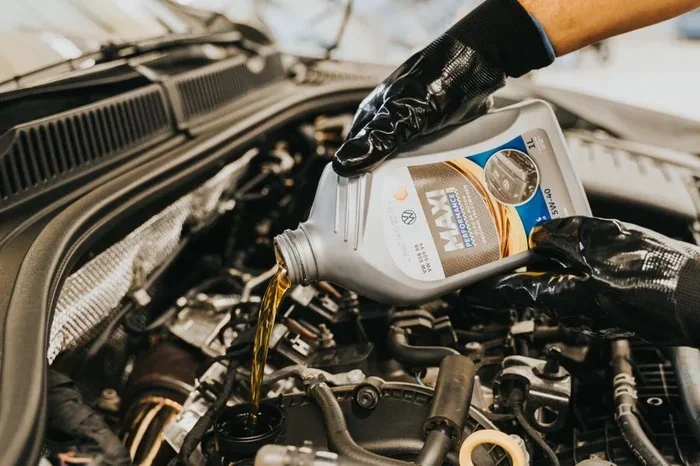
Now it is time to add the new oil. Use a funnel to pour the halfords oil into the engine slowly. Check the oil level with the dipstick and add more if needed. Start the engine and let it run for a minute. Check for leaks around the drain plug and filter. Turn off the engine, wait a couple of minutes, and check the oil level again.
Disposing Of Old Oil Responsibly
Never pour old oil down the drain or into the ground. It is harmful to the environment. Halfords stores often have oil recycling facilities where you can drop off your used oil for free. You can also take it to your local recycling centre. Just store the old oil in a sealed container and transport it carefully.
Expert Insights On Halfords Oil
We spoke with automotive experts about what they look for when recommending engine oil. Their advice reinforces what we have covered in this guide.
Always follow the manufacturer’s specifications first. The oil grade and approval codes in your owner manual exist for a reason. They are based on extensive testing with your specific engine design.
Do not skimp on quality for modern engines. Today’s engines are built to tight tolerances and often require full synthetic or high-quality semi-synthetic oil. Using a low-grade mineral oil in a modern engine can lead to increased wear and poor performance.
Check your oil regularly. A quick check once a month takes only a couple of minutes. It helps you catch leaks early and ensures your engine always has enough protection. Halfords sells dipstick gauges and oil level sensors for vehicles that need them.
Key Takeaways
- Know your oil grade: Understanding viscosity numbers like 5W-30 or 10W-40 helps you pick the right halfords oil for your engine.
- Synthetic vs mineral matters: Full synthetic oil offers the best protection, while mineral oil suits older engines on a budget.
- Check your owner manual: Always match your oil choice to what your car manufacturer recommends.
- Change your oil regularly: Sticking to a proper oil change schedule prevents engine wear and costly repairs.
- Halfords offers options for every budget: From affordable mineral oils to premium synthetic blends, there is something for everyone.
- Watch for warning signs: Dark oil, strange noises, or reduced performance mean it is time for an oil change.
Conclusion
Choosing the right halfords oil does not have to be overwhelming. With the right knowledge, you can walk into any Halfords store or browse their website and pick the perfect oil for your car with confidence. Remember to check your owner manual for the recommended grade and type, consider your driving conditions, and choose a quality product that fits your budget.
Regular oil changes and proper maintenance are the simplest ways to protect your engine and avoid expensive repairs. Whether you use full synthetic, semi-synthetic, or mineral oil, the most important thing is that you use the right oil and change it on time. Your engine will thank you for it.
Now that you have all the information you need, you are ready to make the best choice for your vehicle. Head to Halfords, browse their range of halfords oil products, and give your car the care it deserves. A well-maintained engine runs better, lasts longer, and saves you money over time. Happy motoring!
Frequently Asked Questions
What is the best halfords oil for a diesel engine?
For most diesel engines, a semi-synthetic or full synthetic oil with a grade of 5W-30 or 5W-40 works well. Always check your owner manual for the specific oil specification recommended by the manufacturer. Halfords stocks diesel-approved oils that meet the required ACEA and API standards.
How often should I change my halfords oil?
Most manufacturers recommend changing your oil every 10,000 to 15,000 miles or once a year, whichever comes first. However, if you drive in harsh conditions like stop-and-go traffic or extreme temperatures, you may need to change it more frequently. Check your owner manual for the exact interval recommended for your vehicle.
Can I use halfords oil in any car?
Halfords stocks oils for a wide range of vehicles, but not every oil is suitable for every car. You need to match the oil grade, type, and specifications to your specific vehicle. Always refer to your owner manual or speak with a Halfords team member for personalised advice.
Is halfords own brand oil any good?
Yes, Halfords offers their own brand of engine oil that meets industry standards and provides reliable protection. Their branded oils are competitively priced and tested to work well across a range of vehicles. They are a solid choice for drivers looking for good quality without the premium price tag.
What is the difference between 5W-30 and 10W-40 oil?
The main difference is how each oil flows at different temperatures. 5W-30 is thinner in cold weather, making it better for winter starts and modern engines. 10W-40 is thicker and often suits older engines or vehicles driven in warmer climates. Your owner manual will tell you which is right for your car.
Where can I buy halfords oil?
You can buy halfords oil directly from Halfords stores across the UK, through their website at halfords.co.uk, or via their delivery service. They also offer oil change services at selected Halfords garages if you prefer to have a professional handle the job for you.