Do Cars Use More Gas When Oil Is Low and Hurt Mileage
Yes, driving with low oil can increase fuel consumption and hurt your car’s mileage significantly. When engine oil drops below the recommended level, parts grind together, creating extra friction that forces the engine to work harder and burn more gas. This simple maintenance issue can cost you money at the pump and lead to expensive repairs if ignored.
Have you ever wondered, do cars use more gas when oil is low? The short answer is yes. But the full story goes deeper than most people realize. When your car’s engine oil drops below the safe level, it doesn’t just affect the engine internally. It also changes how your vehicle burns fuel, how much power it delivers, and how much money you spend at the gas station.
Many drivers ignore the oil warning light or skip weekly dipstick checks. They don’t realize that low oil level is one of the easiest ways to hurt fuel economy and shorten engine life. In this article, we’ll break down exactly how low oil affects gas mileage, what happens inside your engine, and how you can avoid costly mistakes. Whether you drive a sedan, truck, or SUV, this information matters for every car owner.
The connection between engine oil and gas mileage is something every driver should understand. It’s not just about keeping the engine from seizing up. Proper oil lubrication directly impacts how efficiently your car uses fuel. Let’s dive in and explore why this small fluid plays such a big role.
Key Takeaways
- Low oil increases friction: Engines need proper lubrication to run smoothly, and less oil means more resistance.
- Fuel economy drops: Cars with low oil can see a noticeable decrease in miles per gallon.
- Engine damage is a real risk: Running on low oil for too long can cause costly internal damage.
- Oil pressure matters: Low oil levels directly affect oil pressure, which impacts how well your engine performs.
- Regular checks save money: Simple habits like checking your dipstick weekly can prevent big problems.
- Synthetic oil helps: Using the right type of oil can improve both lubrication and fuel efficiency.
📑 Table of Contents
- How Engine Oil Affects Fuel Efficiency
- What Happens Inside an Engine With Low Oil
- How Low Oil Hurts Your Gas Mileage
- Common Signs Your Oil Is Too Low
- How to Prevent Oil-Related Fuel Loss
- Expert Insights on Oil and Fuel Economy
- Common Mistakes Drivers Make With Engine Oil
- Frequently Asked Questions
- Conclusion
How Engine Oil Affects Fuel Efficiency
The Role of Oil in Your Engine
Your car’s engine has hundreds of moving parts. Pistons, crankshafts, camshafts, and valves all work together at high speed. Without proper oil lubrication, these metal parts would grind against each other and destroy the engine in minutes. Engine oil creates a thin film between metal surfaces, reducing friction and letting everything move smoothly.
When oil levels drop, that protective film gets thinner. Metal starts touching metal. This creates more heat and more resistance. The engine has to push harder to keep running, which means it burns more fuel. This is the core reason do cars use more gas when oil is low — it all comes down to friction and engine strain.
Think of it like riding a bicycle with a rusty chain. You have to pedal much harder to go the same speed. Your car’s engine works the same way when oil is low. It uses extra energy just to overcome the internal resistance caused by poor lubrication.
Oil Viscosity and Its Impact on Mileage
Not all engine oils are the same. Oil viscosity refers to how thick or thin the oil is at different temperatures. Thicker oil flows slower, and thinner oil flows faster. Most modern cars use multi-viscosity oils like 5W-30 or 0W-20.
Using the wrong viscosity can hurt fuel economy in two ways. First, oil that’s too thick doesn’t flow well when cold, creating extra drag on the engine. Second, oil that’s too thin may not maintain a proper protective film at high temperatures. Both situations lead to increased friction, which means your engine works harder and uses more gas.
Always check your owner’s manual for the recommended oil viscosity. Using the right oil type is one of the simplest ways to protect your engine and maintain good gas mileage.
What Happens Inside an Engine With Low Oil
Increased Friction and Heat
When oil pressure drops because of low oil levels, the engine starts to experience problems quickly. The first thing that happens is increased friction between moving parts. This friction generates extra heat, which creates a dangerous cycle. Hot oil breaks down faster, and broken-down oil lubricates even worse.
Your oil pump works hard to circulate oil through the engine. When there isn’t enough oil, the pump has to work even harder to maintain pressure. This extra workload puts stress on the engine and increases fuel consumption. Over time, this cycle can cause serious engine damage that requires expensive repairs.
Some drivers notice their check engine light comes on when oil is critically low. Others hear strange noises like knocking or ticking. These are warning signs you should never ignore. They mean your engine is already suffering from poor lubrication.
Wear and Tear on Engine Components
Low oil doesn’t just affect fuel economy. It accelerates wear on critical engine parts like bearings, cylinder walls, and camshafts. These parts are designed to last for years when properly lubricated. But without enough oil, they can wear out in a fraction of the expected time.
Once engine parts wear down, they never fully recover. You might notice increased oil consumption, reduced power, and worse fuel economy even after you refill the oil. This is because the damage is already done. That’s why prevention through regular car maintenance is so important.
Dirty Oil vs. Low Oil
It’s worth noting that low oil isn’t the only problem. Dirty or contaminated oil can also hurt performance. Over time, oil collects dirt, debris, and combustion byproducts. This sludge doesn’t lubricate well, which creates the same friction problems as low oil levels.
Regular oil changes are essential. Most mechanics recommend changing oil every 5,000 to 7,500 miles for conventional oil, or every 7,500 to 10,000 miles for synthetic oil. Check your owner’s manual for the specific interval for your vehicle. Fresh, clean oil keeps your engine running efficiently and helps you get the best possible miles per gallon.
How Low Oil Hurts Your Gas Mileage
The Direct Connection Between Oil and Fuel Consumption
So, how much does low oil actually affect fuel economy? Studies and real-world tests show that engines running with low oil can see a 1% to 5% drop in miles per gallon. That might not sound like much, but it adds up over time. If you drive 15,000 miles a year and gas costs $3.50 per gallon, even a 3% drop could cost you an extra $50 or more annually.
The reason is straightforward. When internal parts experience more friction, the engine must produce more power to maintain the same speed. More power means more fuel burned. It’s a direct cause-and-effect relationship that many drivers don’t connect to their oil levels.
If you’ve noticed your gas mileage dropping recently, low oil should be one of the first things you check. It’s a simple fix that costs almost nothing and can make a real difference in your fuel economy.
Comparing Oil Levels and MPG
Here’s a quick look at how different oil levels can impact your vehicle’s performance:
- Full oil level: Optimal lubrication, best fuel economy, lowest engine wear.
- Half oil level: Reduced lubrication, slight drop in miles per gallon, increased friction.
- Quarter oil level: Poor lubrication, noticeable fuel economy loss, risk of engine damage.
- Oil light on: Critical level, significant engine strain, potential for serious engine damage.
As you can see, even a small drop in oil level can start affecting how your car uses fuel. The further below the recommended level you go, the worse the impact becomes.
Common Signs Your Oil Is Too Low
Warning Lights and Dashboard Alerts
Most modern vehicles have an oil warning light on the dashboard. When this light comes on, it means your oil pressure or level has dropped to a dangerous point. Never ignore this warning. Pull over safely and check your oil level as soon as possible.
Some cars also have a check engine light that can trigger when oil-related issues are detected. While this light can come on for many reasons, low oil should always be ruled out first.
Unusual Engine Noises
Your engine should run quietly and smoothly. If you start hearing knocking, ticking, or rattling sounds, low oil might be the cause. These noises happen because metal parts are making contact without enough lubrication. The louder the noise, the worse the problem usually is.
A quick oil check can often confirm whether low oil is the culprit. If the oil level is below the minimum mark on the dipstick, add oil immediately and have the vehicle inspected by a mechanic if the noise persists.
Reduced Performance and Sluggishness
Have you noticed your car feeling slower or less responsive? Low oil can cause a noticeable drop in engine performance. The engine struggles to deliver power efficiently when internal parts are fighting against excess friction.
You might also notice that your car takes longer to accelerate or feels sluggish during highway driving. These are signs that your engine isn’t operating at its best, and low oil could be a contributing factor.
How to Prevent Oil-Related Fuel Loss
Check Your Oil Regularly
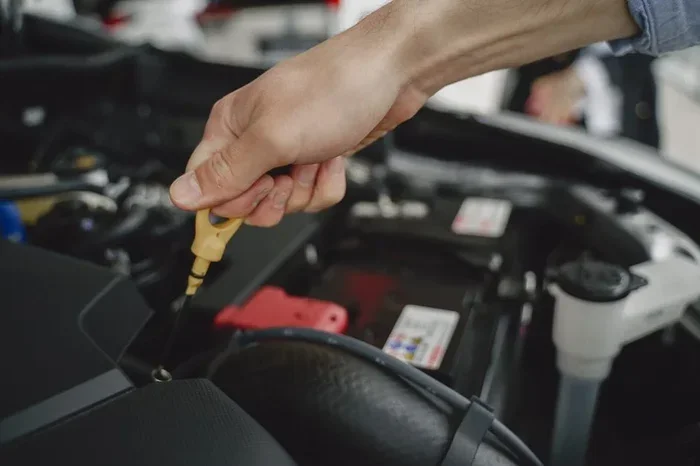
The best way to avoid low oil level problems is to check your oil regularly. Make it a habit to check the dipstick at least once a month, or before any long road trip. The process is simple:
- Park your car on a level surface and let the engine cool for a few minutes.
- Pull out the dipstick, wipe it clean with a cloth.
- Reinsert it fully, then pull it out again.
- Check the oil level against the minimum and maximum marks.
- Add oil if needed, using the type recommended in your owner’s manual.
Doing this regularly helps you catch low oil before it causes damage or hurts your fuel economy. It only takes a couple of minutes and can save you hundreds of dollars in repairs over the life of your car.
Use the Right Type of Oil
Not all oils are created equal. Synthetic oil generally provides better lubrication and lasts longer than conventional oil. It flows more smoothly at both low and high temperatures, which helps maintain consistent oil pressure and reduces friction.
While synthetic oil costs a bit more upfront, it can actually save you money in the long run through better fuel economy and longer intervals between oil changes. Talk to your mechanic about whether synthetic or high-mileage oil is right for your vehicle.
Stick to a Regular Oil Change Schedule
Regular oil changes are the backbone of good car maintenance. Fresh oil keeps your engine clean, well-lubricated, and running efficiently. Skipping oil changes leads to dirty, degraded oil that doesn’t protect your engine the way it should.
Set a reminder on your phone or calendar for your next oil change. Many quick-lube shops and dealerships can send you automatic reminders. This small step goes a long way in protecting your engine and maintaining good gas mileage.
Expert Insights on Oil and Fuel Economy
According to automotive experts, engine oil is one of the most overlooked factors in fuel economy. Many drivers focus on tire pressure, air filters, and driving habits, but forget that clean, properly leveled oil plays a direct role in how efficiently the engine runs.
Certified mechanics consistently advise that checking oil levels should be part of every driver’s routine. “Low oil doesn’t just risk engine failure,” says one veteran technician. “It silently robs your vehicle of fuel efficiency every single day you drive on it.”
The takeaway is clear: taking care of your oil is one of the most cost-effective ways to protect your engine and save on fuel costs over time.
Common Mistakes Drivers Make With Engine Oil
Mistake 1: Waiting for the warning light. By the time the oil light comes on, your oil level may already be dangerously low. Don’t wait for warnings. Check proactively.
Mistake 2: Overfilling the oil. Too much oil can be just as bad as too little. Excess oil can foam, lose its lubricating ability, and even damage the oil pump. Always stay between the minimum and maximum marks on the dipstick.
Mistake 3: Using the wrong oil type. Every engine is designed for a specific oil viscosity and type. Using the wrong oil reduces performance and can hurt fuel economy. Always match the oil to your vehicle’s specifications.
Mistake 4: Ignoring oil leaks. If you notice oil spots under your car or need to add oil frequently, you might have a leak. Get it checked. Ignoring leaks leads to chronic low oil levels and potential engine damage.
Mistake 5: Skipping oil filter changes. The oil filter removes contaminants from your oil. A clogged filter restricts oil flow, reduces oil pressure, and starves the engine of proper lubrication. Always replace the filter during every oil change.
Frequently Asked Questions
Can low oil cause a car to burn more fuel?
Yes, absolutely. When oil levels drop, engine parts experience more friction. The engine must work harder to overcome this resistance, which means it burns more fuel. Keeping your oil at the proper level is one of the simplest ways to maintain good fuel economy.
How often should I check my oil level?
Most experts recommend checking your oil at least once a month. You should also check it before any long trips. The process is quick and easy, and it can help you catch low oil levels before they cause damage or reduce your gas mileage.
What type of oil is best for fuel efficiency?
Synthetic oil is generally the best choice for fuel economy. It flows more smoothly, maintains better oil pressure across temperatures, and reduces friction more effectively than conventional oil. Check your owner’s manual for the recommended viscosity grade.
Will adding oil fix my low gas mileage?
If low oil is the cause of reduced miles per gallon, then yes, adding oil to the proper level can help restore your fuel economy. However, if low oil has been an ongoing issue, there may already be internal wear that affects performance. A mechanic can assess the full picture.
How does dirty oil affect engine performance?
Dirty or contaminated oil doesn’t lubricate as effectively as fresh oil. It creates more friction between engine parts, generates extra heat, and forces the engine to work harder. This leads to reduced performance, lower gas mileage, and increased risk of engine damage over time.
Can running on low oil permanently damage my engine?
Yes, running on low oil for extended periods can cause permanent damage to critical engine parts like bearings, pistons, and the crankshaft. In severe cases, the engine can seize entirely. This is why regular oil checks and timely oil changes are so important for every vehicle owner.
Conclusion
The answer to the question do cars use more gas when oil is low is a clear and definitive yes. Low oil creates more friction inside the engine, which forces the engine to work harder and burn more fuel. The result is reduced gas mileage, poor engine performance, and a higher risk of costly damage.
The good news is that this is one of the easiest car maintenance problems to prevent. Regular oil checks, using the right oil viscosity, and sticking to a consistent oil change schedule can keep your engine running smoothly and your fuel economy at its best. A few minutes of attention each month can save you significant money on gas and protect your vehicle for years to come.
Take charge of your car’s health today. Check your oil, top it off if needed, and make sure you’re using the right type of engine oil for your vehicle. Your wallet — and your engine — will thank you for it.