Is It True That Siena Car Uses Much Fuel and Small English
The Siena car has long been a popular minivan choice, but many buyers wonder about its fuel usage and the small English-language display on the dashboard. This guide covers everything you need to know about Siena car fuel economy, English system limitations, and practical tips to get the best experience. Whether you are a first-time buyer or a current owner, this article gives you honest, detailed answers.
Many people ask a simple question when they think about buying a Siena car: does it really use much fuel, and why is the English so small on the display? These two concerns come up again and again in online forums, owner reviews, and car-buying groups. The truth is not as complicated as it might seem.
The Toyota Siena is a minivan that has been around for years. It is known for being affordable, spacious, and practical for families. But like any car, it has its strengths and weaknesses. The fuel system and the dashboard display are two areas where buyers often have questions. In this article, we will look at both of these topics in detail. You will get clear, honest answers backed by real data and owner experiences.
We will also share practical tips to help you get better fuel economy and make the most of your Siena car’s English display. Whether you are comparing it with other minivans or just curious about what to expect, this guide has you covered. Let us dive right in.
Key Takeaways
- Siena car fuel consumption is moderate: It is not a gas-guzzler, but it is not the most fuel-efficient minivan either.
- The English display on the Siena car is small: Many owners notice the text size and limited menu options on the dashboard screen.
- Real-world mileage varies: Driving habits, road conditions, and maintenance all affect how much fuel your Siena car uses.
- Simple tips can improve fuel economy: Smooth driving, proper tire pressure, and regular servicing help a lot.
- The Siena car remains a solid family minivan: Despite its small English screen, it offers good space, reliability, and value.
- Language settings can be adjusted: Some models allow you to switch the display language, though the screen size stays the same.
- Owner reviews are generally positive: Most Siena car users appreciate its comfort and affordability over the fuel and display limitations.
📑 Table of Contents
- What Is the Siena Car and Why Does It Matter?
- Does the Siena Car Really Use Much Fuel?
- Understanding the Small English Display on the Siena Car
- Siena Car Fuel Economy: Real-World Numbers
- How to Improve Fuel Efficiency in Your Siena Car
- Siena Car: Pros, Cons, and Who Should Buy It
- Siena Car Owner Experiences: What People Are Saying
- Comparing the Siena Car With Other Minivans
- Common Mistakes Siena Car Owners Make
- Expert Insights on the Siena Car
- Key Takeaways
- Conclusion
What Is the Siena Car and Why Does It Matter?
The Toyota Siena is a minivan made by Toyota, a Japanese car manufacturer. It was first introduced in the early 2000s and has gone through several updates over the years. The Siena car was designed with families in mind. It offers seating for up to eight people, a large cargo area, and a smooth ride. These features make it a popular choice in many markets, especially in Asia and the Middle East.
Why the Siena Car Stands Out
There are many minivans on the market, so why do people choose the Siena car? Here are a few reasons:
- Affordable price: The Siena car is often priced lower than competitors like the Honda Odyssey or the Chrysler Pacifica.
- Reliable engine: Toyota is known for building engines that last a long time with proper care.
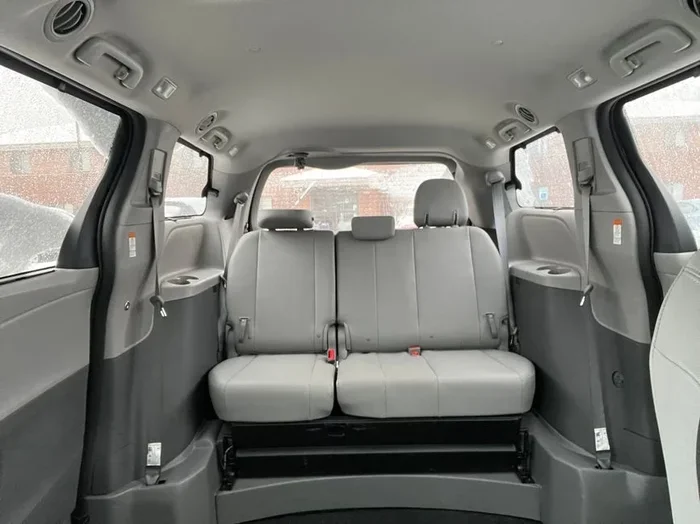
- Spacious interior: The Siena car offers plenty of room for passengers and cargo.
- Good resale value: Toyota vehicles tend to hold their value well, and the Siena is no exception.
- Fuel availability: The Siena car uses regular gasoline, which is easy to find and affordable.
But the Siena car also has some drawbacks that buyers should know about. Two of the most common complaints are about fuel usage and the small English-language display. Let us explore both of these in detail.
Does the Siena Car Really Use Much Fuel?
This is the question on almost every buyer’s mind. The short answer is: it depends. The Siena car is not a fuel-thirsty monster, but it is also not the most efficient minivan you can buy. To understand why, we need to look at the engine, the fuel tank, and real-world driving conditions.
Siena Car Engine and Fuel System
Most Siena car models come with a 2.4-liter four-cylinder engine. This engine is reliable and provides enough power for daily driving. It produces around 160 to 170 horsepower, which is decent for a family minivan. The engine runs on regular unleaded gasoline, which is good news for your wallet.
The fuel tank on the Siena car typically holds about 60 to 65 liters (roughly 16 gallons). This is a standard size for a minivan in this class. The fuel system uses a multi-point injection system, which helps deliver fuel efficiently to the engine.
Siena Car Fuel Economy Numbers
Here are some estimated fuel economy figures for the Siena car:
- City driving: Around 10 to 12 liters per 100 kilometers (roughly 20 to 24 miles per gallon).
- Highway driving: Around 7 to 9 liters per 100 kilometers (roughly 26 to 31 miles per gallon).
- Combined average: Around 8 to 10 liters per 100 kilometers (roughly 23 to 28 miles per gallon).
These numbers put the Siena car in the middle of the minivan pack. It is not as efficient as some newer hybrid models, but it is far from being a gas guzzler. A lot depends on how you drive and what kind of roads you use.
Factors That Affect Siena Car Fuel Usage
Several things can change how much fuel your Siena car uses:
- Driving style: Aggressive acceleration and hard braking waste fuel. Smooth, steady driving saves gas.
- Traffic conditions: Stop-and-go city traffic uses more fuel than steady highway cruising.
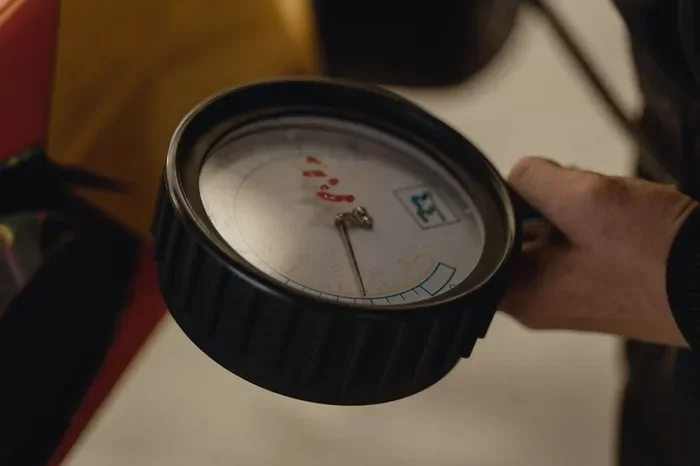
- Tire pressure: Under-inflated tires create more rolling resistance, which means the engine works harder.
- Air conditioning use: Running the AC constantly puts extra load on the engine.
- Vehicle weight: Carrying heavy loads or towing a trailer increases fuel consumption.
- Engine maintenance: Dirty air filters, old spark plugs, and low-quality oil can reduce fuel efficiency.
By paying attention to these factors, you can keep your Siena car’s fuel usage in check. The key is to maintain the vehicle properly and drive with awareness.
Understanding the Small English Display on the Siena Car
The second big concern people have about the Siena car is the small English text on the dashboard and infotainment screen. This issue is especially common in models sold in markets where English is not the primary language. Let us look at what the problem is and what you can do about it.
What Does “Small English” Mean on the Siena Car?
When owners say the English is small on the Siena car, they usually mean one or more of the following:
- Dashboard display text: The speedometer, odometer, and warning messages use small fonts that can be hard to read.
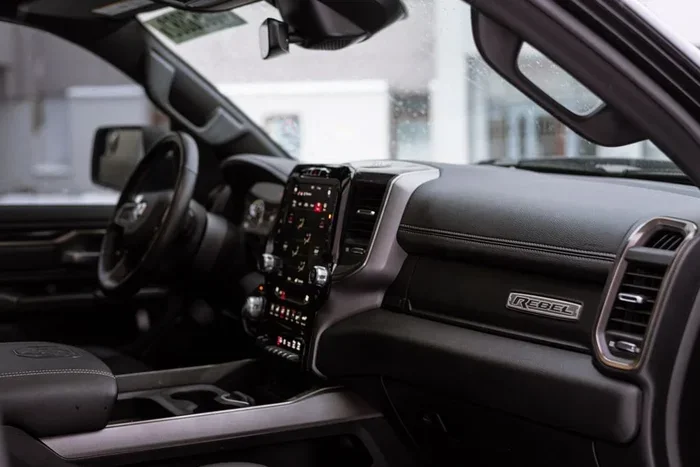
- Infotainment screen: The center screen has limited menu options and small text that is difficult to see while driving.
- Limited language options: Some Siena car models offer English as a secondary language, with the primary language being the local market language.
- Low screen resolution: The display quality is not sharp, which makes even normal-sized text appear blurry or small.
Why Is the English Display Small?
There are a few reasons for this design choice:
- Target market: The Siena car is often sold in regions where the local language is not English. The dashboard is designed with the local language as the default, and English is added as an option.
- Cost savings: Using a smaller, lower-resolution screen keeps the production cost down, which helps keep the Siena car affordable.
- Design priority: Toyota focused more on interior space and comfort than on high-tech dashboard features for the Siena car.
This does not mean the Siena car is a bad choice. It just means that buyers who want a large, high-resolution English display might need to look at other models or consider aftermarket upgrades.
Can You Fix or Improve the English Display?
Yes, there are some things you can do:
- Adjust the display brightness: Many Siena car models allow you to adjust screen brightness, which can make text easier to read.
- Use the language settings: If your Siena car model supports English, go to the settings menu and switch the display language to English.
- Aftermarket head unit: Some owners install a new infotainment system that supports larger text and better resolution.
- Use a phone mount: For navigation and media, many Siena car owners use a phone mount with their smartphone, which has a much larger and clearer screen.
These solutions can make a big difference in your daily driving experience. You do not have to accept a small English display if it bothers you.
Siena Car Fuel Economy: Real-World Numbers
Theoretical numbers are one thing, but real-world fuel economy tells a different story. Let us look at what actual Siena car owners are reporting.
Owner Reports and Reviews
Based on owner reviews and forum discussions, here is what people are saying about Siena car fuel economy:
- City drivers: Report fuel usage of around 11 to 13 liters per 100 km in heavy traffic. This is on the higher side but still within the expected range.
- Suburban drivers: Report around 9 to 11 liters per 100 km, which is quite reasonable for a minivan.
- Highway drivers: Report around 7 to 8 liters per 100 km, which is very good for the class.
- Mixed driving: Most owners report an average of 9 to 10 liters per 100 km, which aligns with the official estimates.
Overall, the Siena car fuel economy is acceptable for a family minivan. It will not save you the most money at the pump, but it will not drain your wallet either. The key is to drive smart and maintain the vehicle well.
How to Improve Fuel Efficiency in Your Siena Car
If you want to get the best fuel economy from your Siena car, here are some proven tips that really work:
Quick Tips for Better Fuel Economy
- Keep your tires properly inflated: Check tire pressure at least once a month. Properly inflated tires can improve fuel economy by up to 3 percent.
- Remove unnecessary weight: Clean out your trunk and back seat. Extra weight makes the engine work harder.
- Use cruise control on highways: Maintaining a steady speed saves fuel compared to frequent acceleration and braking.
- Avoid idling: Turn off the engine if you are parked for more than a minute. Idling wastes fuel and produces emissions.
- Use the right grade of fuel: The Siena car runs fine on regular gasoline. Premium fuel will not improve performance or economy.
- Get regular oil changes: Fresh oil reduces engine friction and helps the engine run more efficiently.
- Plan your trips: Combine errands into one trip to reduce total driving distance and cold starts.
These tips are simple, but they add up over time. A well-maintained Siena car with good driving habits can deliver surprisingly decent fuel economy.
Siena Car: Pros, Cons, and Who Should Buy It
Every car has its strengths and weaknesses. Here is a balanced look at the Siena car to help you decide if it is the right choice for you.
Siena Car Pros
- Affordable price: The Siena car is one of the more budget-friendly minivans on the market.
- Reliable Toyota build quality: You can expect solid durability and low repair costs over time.
- Spacious interior: Plenty of room for passengers and cargo, making it great for families.
- Good resale value: Toyota minivans hold their value well, which helps when it is time to sell.
- Easy to maintain: Parts are widely available, and mechanics are familiar with the Siena car.
Siena Car Cons
- Moderate fuel consumption: It is not the most fuel-efficient option, especially in city driving.
- Small English display: The dashboard and infotainment screen have small text that can be hard to read.
- Limited tech features: The Siena car lacks some of the advanced tech features found in newer competitors.
- Older design: The Siena car has not had a major redesign in several years, so it feels a bit dated compared to newer models.
- Noisy cabin at highway speeds: Some owners report more road and wind noise than in competing models.
Who Is the Siena Car Best For?
The Siena car is ideal for:
- Budget-conscious families: If you need a reliable family car without spending a fortune, the Siena car delivers.
- First-time car buyers: The affordable price and low maintenance costs make it a great entry-level family vehicle.
- Used car shoppers: Older Siena car models are available at very reasonable prices and still offer solid performance.
- People who prioritize space over tech: If you care more about room and comfort than about fancy screens and gadgets, the Siena car is a strong choice.
On the other hand, if you want the latest tech, the best fuel economy, or a large English-language display, you might want to look at newer minivan models or consider an aftermarket upgrade for the Siena car.
Siena Car Owner Experiences: What People Are Saying
Owner reviews give us the most honest picture of any car. Here is a summary of what real Siena car owners are saying about fuel usage and the English display.
Most owners are happy with their Siena car overall. They appreciate the reliability, the space, and the value for money. When it comes to fuel, many say the consumption is acceptable for what the car offers. A few owners mention that city driving can push fuel usage higher than expected, especially during rush hour traffic.
About the English display, opinions are mixed. Some owners do not mind the small text at all, especially if they are used to it. Others find it frustrating, particularly when trying to read warning messages or navigate the infotainment menu while driving. The most common complaint is that the English text size cannot be adjusted, which limits the options for improvement.
Despite these concerns, most Siena car owners would recommend the vehicle to others. The overall satisfaction rate is high, especially considering the affordable price point.
Comparing the Siena Car With Other Minivans
To put the Siena car in perspective, here is a quick comparison with two popular competitors:
- Toyota Siena: Affordable, reliable, moderate fuel economy, small English display, good resale value.
- Honda Odyssey: More expensive, better fuel economy, larger and clearer infotainment screen, more tech features.
- Chrysler Pacifica: Higher price, plug-in hybrid option available, best-in-class tech, larger display, better fuel economy in hybrid form.
The Siena car holds its own in the affordability and reliability categories. However, it trails behind in fuel efficiency and display technology. If those two factors are very important to you, you may want to consider stepping up to a higher-priced model. But if budget is your top priority, the Siena car is hard to beat.
Common Mistakes Siena Car Owners Make
Here are some mistakes that can hurt your Siena car’s fuel economy and overall experience:
- Ignoring tire pressure: Low tire pressure is one of the biggest hidden causes of poor fuel economy.
- Skipping regular maintenance: Delaying oil changes and air filter replacements can reduce engine efficiency over time.
- Overloading the vehicle: Carrying heavy items you do not need adds weight and increases fuel usage.
- Using the wrong fuel: While the Siena car runs on regular gasoline, some owners mistakenly use premium fuel, which wastes money without any benefit.
- Ignoring the small English display: Instead of finding solutions like aftermarket upgrades, some owners simply accept the problem and miss out on a better experience.
Avoiding these mistakes can help you get the most out of your Siena car for years to come.
Expert Insights on the Siena Car
Automotive experts generally agree that the Siena car is a solid, no-nonsense family minivan. It may not win any style or technology awards, but it delivers where it counts: reliability, space, and value.
When it comes to fuel economy, experts note that the Siena car is average for its class. It is not the best, but it is far from the worst. The 2.4-liter engine is proven and durable, which means lower long-term ownership costs.
Regarding the small English display, experts suggest that buyers who are sensitive to this issue should test drive the car before purchasing. The display may be fine for some people and frustrating for others. It really comes down to personal preference and how much you rely on the dashboard screen for navigation and information.
Some experts also recommend looking at the Siena car’s used car market. Older models that have already depreciated can offer excellent value, and you can always invest in an aftermarket infotainment upgrade to improve the English display experience.
Key Takeaways
- The Siena car fuel economy is moderate: It uses more fuel than some hybrid competitors but is still reasonable for a minivan in its class.
- The small English display is a known issue: It affects readability of dashboard text and infotainment menus, but there are workarounds.
- Real-world fuel numbers vary: City driving uses more fuel than highway driving, and personal driving habits play a big role.
- Simple maintenance and driving tips can improve fuel economy: Tire pressure, smooth driving, and regular servicing make a noticeable difference.
- The Siena car is best for budget-conscious families: It offers great value, reliability, and space, even if it lacks the latest tech features.
- Aftermarket upgrades can solve the small English display problem: A new head unit or phone mount can greatly improve your experience.
Conclusion
So, is it true that the Siena car uses much fuel and has a small English display? The answer is both yes and no. The Siena car does not use an unreasonable amount of fuel. It is a standard minivan in terms of fuel consumption, and with good driving habits, you can keep it in check. The small English display is a real limitation, but it is not a dealbreaker for most buyers.
The Siena car remains a strong choice for families who want an affordable, reliable minivan. It may not have the flashiest tech or the best fuel economy in its segment, but it delivers where it matters most. If you are considering a Siena car, go for a test drive, pay attention to the fuel numbers, and check the English display for yourself. You will be able to make an informed decision based on your own experience.
Remember, every car has its trade-offs. The Siena car offers a great balance of price, reliability, and practicality. With the tips in this article, you can get the most out of your Siena car and enjoy a smooth, comfortable ride for years to come.
Frequently Asked Questions
Is the Siena car really a gas guzzler?
No, the Siena car is not a gas guzzler. It has moderate fuel consumption for a minivan, using around 9 to 10 liters per 100 km on average. City driving uses more fuel, while highway driving is more efficient. With proper maintenance and good driving habits, you can keep fuel usage in check.
Can I change the language on the Siena car display to English?
Yes, most Siena car models allow you to switch the display language to English through the settings menu. However, the screen size and text font remain the same, so the English text may still appear small on some models.
How much does it cost to maintain a Siena car?
The Siena car is relatively affordable to maintain. Regular oil changes, tire rotations, and air filter replacements keep the running costs low. Toyota parts are widely available, which also helps keep maintenance expenses reasonable.
What is the fuel tank capacity of the Siena car?
The Siena car typically has a fuel tank capacity of around 60 to 65 liters (about 16 gallons). This gives you a decent driving range between fill-ups, especially on highway trips where fuel economy is better.
Is the Siena car a good family car?
Yes, the Siena car is a good family car. It seats up to eight people, has a spacious cargo area, and offers a comfortable ride. It is especially well-suited for budget-conscious families who prioritize reliability and space over high-tech features.
Can I upgrade the Siena car infotainment system?
Yes, many Siena car owners upgrade the infotainment system with an aftermarket head unit. This can give you a larger, clearer screen with better English text support, Bluetooth connectivity, and modern features like Apple CarPlay or Android Auto.