Will Low Oil Cause Your Honda CRV 2019 Not to Start
Will low oil cause honda crv 2019 to not start? Yes, severely low oil can prevent your vehicle from turning over. When oil levels drop too low, it causes low oil pressure, which triggers safety features or damages engine components. Understanding this starting problem helps you avoid costly repairs and keep your Honda running smoothly.
Key Takeaways
- Low oil stops engines: Severely low oil causes low oil pressure, which can prevent your Honda CRV 2019 from starting.
- Safety first: Modern vehicles have sensors that block ignition if oil pressure is too low to protect the engine.
- Check your dipstick: Always verify your oil level before assuming a dead battery or bad starter.
- Regular maintenance matters: Routine oil changes prevent oil starvation and keep the crankshaft and oil pump healthy.
- Look for warning signs: Dashboard lights and strange noises often precede a full engine failure.
📑 Table of Contents
- Will Low Oil Cause Your Honda CRV 2019 Not to Start?
- The Role of Oil Pressure in the Starting Process
- Common Signs Your Honda CRV Has Low Oil
- Can Low Oil Damage the Ignition System?
- How to Fix a Honda CRV That Won’t Start Due to Oil Issues
- Preventing Oil-Related Starting Problems in Your Honda CRV
- Conclusion
Will Low Oil Cause Your Honda CRV 2019 Not to Start?
So, you turn the key, and nothing happens. You wonder, will low oil cause honda crv 2019 to not start? The short answer is yes, it absolutely can. When your engine oil drops to a dangerously low level, it stops the flow of lubrication. This lack of oil causes low oil pressure. If the pressure drops too much, your vehicle might refuse to turn over. Protecting the engine is the main goal here.
Your Honda CRV is a reliable SUV, but it needs proper vehicle maintenance to keep running. Ignoring the oil level can lead to a starting problem that leaves you stranded. Many drivers ask about car not starting issues. Often, the root cause is simpler than a dead battery. It is often a lack of clean oil. Let us look at why this happens and how you can fix it.
Understanding your engine helps you avoid big repairs. The 2019 Honda CRV has a four-cylinder engine. It works very hard every time you drive. Oil reduces the friction between the moving parts. Without enough oil, those parts grind together. This creates heat and wear. Eventually, the engine cannot function. You might face a complete engine failure. This is why checking your oil is so important. A little prevention saves a lot of money. You do not want to be stuck on the side of the road. Knowing the facts keeps you safe and prepared.
How Oil Keeps Your Engine Running
Oil acts like the lifeblood of your engine. It reduces friction between moving parts. The crankshaft spins rapidly inside the engine block. Without oil, metal grinds against metal. This creates massive heat and wear. The oil pump pushes oil through the oil filter to reach every corner of the engine. When the level is low, the pump sucks air instead of oil. This air bubble breaks the oil pressure. As a result, the engine cannot fire properly. You might turn the key, but the engine will not catch. This is a very frustrating experience for any driver.
Think of the oil as a cushion. It keeps the metal parts from touching. When the cushion disappears, the parts crash into each other. This damages the cylinder walls and bearings. The engine components suffer greatly. Over time, this leads to a seized engine. A seized engine means the car will not start at all. You will need a tow truck. The repair costs will be very high. Always keep an eye on your oil level to prevent this disaster.
The oil also helps cool the engine. It carries heat away from the hot parts. When there is not enough oil, the heat builds up. This overheating makes the problem much worse. The engine parts expand from the heat. They stop moving freely. This is how an engine seizes up completely. Always make sure you have enough oil before a long drive. Clean oil also prevents sludge buildup. Sludge blocks the passages and starves the engine. Fresh oil keeps everything moving smoothly.
The Role of Oil Pressure in the Starting Process
Modern cars like the 2019 Honda CRV have smart safety features. The engine control unit (ECU) monitors oil pressure constantly. If the pressure is too low, the system might prevent ignition. This is a safety feature to avoid engine failure. When you have a starting problem, low oil could be the hidden culprit. You might hear the starter motor engage, but the engine will not crank. This happens because the ECU locks the system to save the engine components from total destruction.
What Happens When Oil Drops Too Low?
When oil is severely low, the engine can seize. A seized engine cannot turn over at all. You might try to start the car, but you will hear nothing or a single click. This is a very serious situation. The engine seizure means the pistons are stuck. You will need a tow truck and major repairs. Always check your dipstick if your Honda CRV will not start. It takes just a few seconds and can save you thousands of dollars.
The oil pressure sensor plays a big role here. It reads the oil level and sends data to the ECU. If the sensor thinks the oil is too low, it cuts power to the ignition system. This prevents the engine from starting. Sometimes, the sensor itself is broken. It gives a false reading even when the oil is fine. A mechanic can test this sensor easily. Replacing it is much cheaper than replacing the whole engine. Always get a professional diagnosis if you are unsure about the readings.
Common Signs Your Honda CRV Has Low Oil
Your car gives you warning signs before it completely stops working. You must pay attention to these signals. Ignoring them leads to bigger starting problems. Here are the most common signs your oil level is too low.
- Oil Pressure Warning Light: This looks like an oil can. It glows red on the dashboard. If you see this, stop driving immediately.
- Check Engine Light: A yellow light shaped like an engine. Low oil can trigger this because the sensors detect pressure drops.
- Strange Noises: Ticking or knocking sounds from the engine bay. This means metal is rubbing without lubrication.
- Burning Smell: Overheated oil smells burnt. If you smell this, pull over safely.
- Reduced Performance: The engine might feel sluggish. It may not accelerate like it used to.
- Exhaust Smoke: Blue or grey smoke can mean oil is burning in the engine. This is a serious warning sign.
Dashboard Warning Lights Explained
The dashboard warning lights are your best friends. They tell you exactly what is wrong. The oil pressure light is the most urgent one. Do not ignore it. Many people confuse this with the battery light. However, low oil directly affects the battery voltage if the alternator struggles to turn a stiff engine. Check your owner manual to know each light. The manual is your best guide for your specific Honda model. It explains every warning symbol clearly.
Strange Engine Noises to Watch For
Your engine should run quietly. If you hear a loud tapping or clicking, your oil is not reaching the valves. The starter motor might work fine, but the engine itself cannot catch. This is a clear sign of low oil. Add oil right away and see if the noise stops. If it does not, you need a professional mechanic. Sometimes, the noise means internal damage has already started. Do not wait too long to address the issue. Early action saves you from expensive repairs later on.
Can Low Oil Damage the Ignition System?
You might think low oil only affects the moving metal parts. But it can also harm the fuel system and ignition. When the engine lacks oil, it works harder. This extra strain puts stress on the entire vehicle. The ignition system relies on the engine turning smoothly. If the engine is stiff, the battery voltage drops quickly trying to turn the crankshaft.
People often mistake this for a dead battery. They buy a new battery, but the car still will not start. The real issue is the lack of lubrication. The oil filter might also be clogged. A clogged filter stops oil flow completely. This starves the engine and causes the starting problem. Replacing the filter is a quick fix that many people overlook. Clean oil flows easily through the filter. It keeps the fuel system and engine parts happy. Dirty oil causes friction and heat. This leads to more problems down the road.
The fuel system also needs clean oil to work right. The fuel pump sends gas to the engine. If the engine is stuck, the fuel pump works too hard. This can burn out the pump. You will then have two problems instead of one. Keeping your oil clean and full protects the whole vehicle. It is a simple step with big benefits. A well-lubricated engine runs efficiently and uses less fuel.
How to Fix a Honda CRV That Won’t Start Due to Oil Issues
If your Honda CRV 2019 will not start, do not panic. Follow these simple steps to troubleshoot the issue. Safety comes first. Park the car on a flat surface and turn off the engine. Let the engine cool down before you check anything. Hot oil can burn your skin. Always be careful when working under the hood. If you are not comfortable, call a professional. There is no shame in asking for help.
Why Is Your Honda CRV Not Starting?
Sometimes it is hard to know what is wrong. Here is a quick look at the most common reasons a Honda CRV 2019 will not start.
| Cause | Symptoms | Fix |
|---|---|---|
| Low Oil | Oil light on, engine won’t crank, strange noises | Add oil or change oil and filter |
| Dead Battery | Clicking sound, lights are dim, no dash lights | Jump start or replace battery |
| Bad Starter | Single loud click, engine won’t turn over | Replace the starter motor |
| Clogged Fuel Filter | Engine cranks but won’t fire, stalling | Replace the fuel filter |
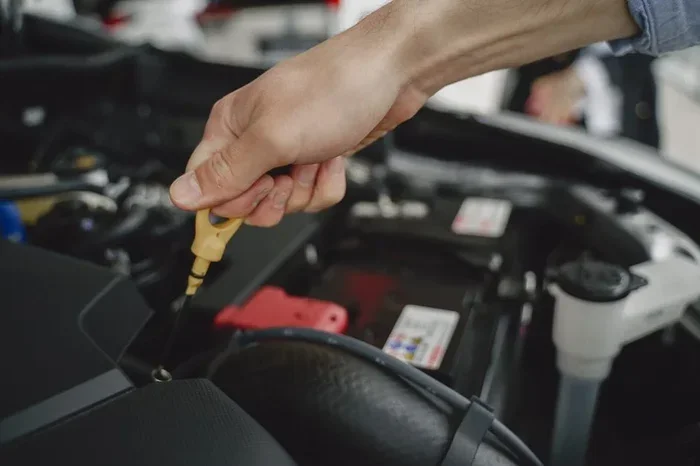
- Check the Oil Level: Pull out the dipstick. Wipe it clean with a rag. Put it back in, then pull it out again. Look at the mark. Is the oil between the minimum and maximum lines?
- Add Oil if Needed: If it is low, add the right type of oil. Check your owner manual for the grade. Use a funnel to avoid spills. Pour slowly to avoid overfilling. Overfilling can cause other problems.
- Wait a Few Minutes: Let the oil settle back into the oil pan. This allows the oil pump to build pressure again. Do not start the car right away. Give it time to circulate.
- Try Starting Again: Turn the key. Listen carefully. Does the engine turn over? If yes, you are good to drive slowly to a mechanic.
- Call for Help: If the car still does not start, do not keep trying. You might have a deeper issue like engine failure or a clogged oil filter. Towing is the safest option.
Step-by-Step Troubleshooting Guide
Sometimes the problem is not just the oil level. It could be the oil pressure sensor. A bad sensor gives false readings. It tells the ECU that you have low oil even if you do not. This blocks ignition to protect the engine. You can test the sensor with a mechanic. Replacing it is much cheaper than replacing the whole engine. The sensor is a small and affordable part. It does a big job of protecting your Honda.
Another common issue is a clogged oil filter. The filter catches dirt and debris. Over time, it gets completely blocked. When the filter is clogged, no oil passes through. The engine runs dry. This causes the engine components to grind and fail. Changing the oil filter with every oil change is a smart habit. It keeps the fuel system clean and the oil flowing freely. Fresh filters make a big difference in engine health.
You should also check for oil leaks. Leaks happen over time. Gaskets can wear out. Oil drips out slowly. You might not notice it until the level is very low. Check under your car for dark spots. If you see them, get your car inspected right away. Catching a leak early prevents a car not starting situation later.
Preventing Oil-Related Starting Problems in Your Honda CRV
Prevention is always better than repair. You do not want to deal with a car not starting situation on a cold morning. Regular vehicle maintenance keeps your Honda CRV 2019 healthy. Follow these simple tips to avoid engine failure and low oil pressure. A little care goes a long way. You can save a lot of money by staying ahead of problems. A well-maintained engine runs smoothly and lasts longer. You will also enjoy a smoother ride every day. Your Honda CRV will feel like new again.
- Check Oil Monthly: Make it a habit. Open the hood and pull the dipstick once a month. It only takes a few minutes. It is the easiest way to stay informed.
- Change Oil on Schedule: Follow the Honda maintenance schedule. Fresh oil keeps the crankshaft and engine components running smoothly. Old oil breaks down and loses its power. Do not skip your scheduled service.
- Use the Right Oil: Use the oil grade recommended by Honda. Wrong oil can break down faster and fail to lubricate the parts properly. Check the manual for the right type.
- Watch for Leaks: Look for dark spots under your car when parked. Oil leaks cause levels to drop slowly over time. Fix leaks early before they become big issues.
- Keep a Log: Write down your oil change dates. This helps you track when the next service is due. It keeps you organized and on top of your maintenance.
Routine Vehicle Maintenance Tips
Keeping up with oil changes is the best way to protect your engine. Old oil gets dirty and loses its thickness. It cannot flow through the oil filter properly. This creates low oil pressure and leads to engine seizure. A simple oil change costs a fraction of what a new engine costs. Set a reminder on your phone for your next oil change. Your Honda will thank you with reliable starts every day. Do not wait for the warning light to come on. Be proactive about your car care. A little effort now saves a lot of trouble later.
Quick Tips for Daily Drivers
Do you drive short trips often? Short trips can cause oil sludge. The engine does not get hot enough to burn off moisture. This mixes with the oil and reduces its quality. Consider checking your oil more often if you mostly drive in the city. Stop and go driving is hard on the engine. It uses more oil than highway driving. Also, keep a bottle of the right oil in your trunk. It is a great emergency backup if you find yourself low on the road. Being prepared saves you from a lot of stress and hassle. You will be glad you did it.
Conclusion
So, will low oil cause honda crv 2019 to not start? Yes, it definitely can. Low oil leads to low oil pressure, which can block ignition and cause engine failure. Always check your oil level if you face a starting problem. Do not ignore dashboard dashboard warning lights or strange engine noises. Proper vehicle maintenance and regular oil changes are your best defenses against a car not starting. Keep your Honda CRV 2019 well-lubricated, and it will start reliably for years to come. Take care of your engine, and it will take care of you every day. Make oil checks a part of your routine and enjoy peace of mind.
Frequently Asked Questions
Can low oil cause a Honda CRV 2019 to crank but not start?
Yes, it can. If the oil level is too low, the oil pressure drops. The engine control unit may block ignition to protect the engine. This results in a cranking sound without the engine catching.
How do I know if my Honda CRV has low oil?
Check the dashboard for an oil pressure warning light. You might also hear ticking or knocking noises. The best way to know is to pull the dipstick and check the oil level.
Will adding oil fix a Honda CRV that will not start?
If the engine is not seized, adding oil can fix the problem. The oil restores pressure and lubrication. Wait a few minutes after adding oil before trying to start the engine again.
What happens if you drive a Honda CRV with low oil?
Driving with low oil causes metal parts to grind together. This creates heat and friction. It can lead to engine seizure and complete engine failure if not fixed quickly.
Is it safe to start a Honda CRV with the oil light on?
No, it is not safe. The oil light means pressure is too low. Starting the engine can cause severe damage. Turn off the engine and check the oil level immediately.
How often should you change oil in a 2019 Honda CRV?
Honda recommends changing the oil every 7,500 to 10,000 miles. However, check your owner manual for the exact schedule. Regular oil changes prevent low oil pressure and starting issues.