How to Put Gas in Your Toyota Corolla the Right Way
Knowing how to put gas in your Toyota Corolla is simple once you understand the basics. This guide walks you through every step, from opening the fuel door to choosing the right fuel type. You will learn safety tips, common mistakes to avoid, and how to boost your Toyota Corolla fuel economy with smart refueling habits.
Every Toyota Corolla owner should know how to put gas in their car correctly. It sounds basic, right? But there is more to refueling than just pulling up to a pump and squeezing the handle. Understanding your Toyota Corolla fuel system helps you stay safe, save money, and keep your car running at its best for years to come.
Whether you just bought your first Corolla or you have been driving one for years, this guide covers everything you need about how to put gas in Toyota Corolla models. We will walk you through each step, explain which fuel type to use, and share tips that most people overlook. By the end, you will feel confident every time you pull into a gas station.
Refueling your Toyota Corolla the right way starts with knowing your vehicle. Every car has a fuel system designed for a specific purpose. When you understand how it works, you make fewer mistakes and get better results. Let us dive into the details.
Key Takeaways
- Use regular unleaded gasoline: Most Toyota Corolla models run perfectly on 87-octane regular gas.
- Open the fuel door from inside the car: Pull the lever near the driver’s seat to release the gas tank door.
- Turn off the engine before refueling: This is a critical safety step every driver should follow.
- Do not overfill the tank: Topping off can cause fuel evaporation and damage the emissions system.
- Choose the correct fuel pump handle: The nozzle size matches your tank opening for a reason.
- Replace the gas cap tightly: A loose cap can trigger check engine lights and reduce fuel efficiency.
- Follow Toyota Corolla maintenance schedules: Regular fuel system checks keep your car running smoothly.
📑 Table of Contents
- Understanding Your Toyota Corolla Fuel System
- Step-by-Step Guide to Putting Gas in Your Toyota Corolla
- What Type of Gas Does a Toyota Corolla Need
- Common Mistakes When Refueling Your Toyota Corolla
- Tips for Better Fuel Economy in Your Toyota Corolla
- When to Seek Help for Fuel-Related Issues
- Frequently Asked Questions
- Conclusion
Understanding Your Toyota Corolla Fuel System
The Basics of the Toyota Corolla Fuel System
Before you learn how to put gas in Toyota Corolla, it helps to know what you are working with. The fuel system in a Toyota Corolla includes the gas tank, fuel cap, fuel door, fuel pump, and fuel lines. Each part plays a role in delivering clean gasoline to the engine.
The fuel tank holds the gasoline. The fuel cap seals the tank to prevent fumes from escaping. The fuel door protects the cap from damage and weather. And the fuel pump pushes gas from the tank to the engine when you need it.
Most Toyota Corolla models have a fuel tank capacity of about 13 to 14 gallons. The Toyota Corolla fuel gauge on your dashboard shows you how much gas is left. When the needle drops to the quarter mark or the low fuel light comes on, it is time to plan a trip to the gas station.
Knowing these parts makes the entire process of refueling your Toyota Corolla much easier. You will not feel lost at the pump. Instead, you will move through each step with confidence and ease.
How to Open the Fuel Door on a Toyota Corolla
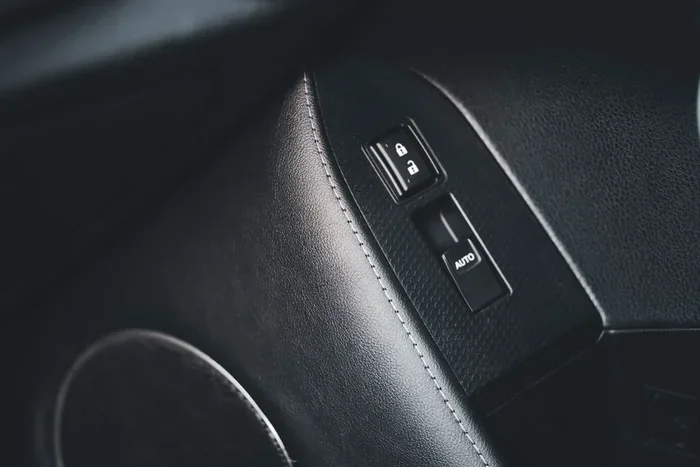
One of the first things you need to learn about how to put gas in Toyota Corolla is opening the fuel door. Unlike some older cars with external fuel door latches, modern Toyota Corolla models have an interior release lever.
Here is what to do:
- Sit in the driver’s seat.
- Look down near the bottom of the driver’s side door panel.
- Find the lever with a gas pump icon.
- Pull the lever toward you.
- The fuel door will pop open slightly.
- Walk to the outside of the car and push the door open the rest of the way.
That is all it takes. The Toyota Corolla fuel door release is easy to find once you know where to look. If you ever get confused, check your Toyota Corolla owner’s manual. It has a diagram showing exactly where the release lever is located.
Step-by-Step Guide to Putting Gas in Your Toyota Corolla
Step 1: Park Safely at the Gas Station
When you arrive at the gas station, pull up to a pump that matches your fuel side. Most Toyota Corolla models have the fuel door on the left side of the car. Check which side your fuel door is on before you pull in.
Turn off the engine. Put the car in park. Engage the parking brake. These simple steps make refueling your Toyota Corolla safe and smooth. Never leave the engine running while you are pumping gas.
Step 2: Open the Fuel Door and Remove the Gas Cap
Use the interior lever to open the fuel door. Then reach outside and twist the Toyota Corolla gas cap counterclockwise to remove it. Set the cap somewhere safe, like in your pocket or on the pump ledge. Losing a gas cap is an easy mistake to make.
You will notice the gas cap clicks when it is on tightly. That click is important. It creates a seal that keeps fuel vapors from escaping and protects the emissions system.
Step 3: Choose the Correct Fuel Grade
Before you grab a pump handle, make sure you have the right fuel. We will cover this in detail in the next section. For now, just know that most Toyota Corolla models need regular unleaded gasoline with an octane rating of 87.
Pick up the pump nozzle and insert it into the fuel tank opening. The nozzle should fit snugly. If it does not fit, you may have the wrong pump or the wrong fuel type.
Step 4: Pump the Gas
Squeeze the pump handle to start the fuel flow. Most modern pumps have a trigger lock that keeps the handle pressed in automatically. You do not need to hold it down the entire time.
Watch the fuel gauge on the pump display. Fill the tank until the pump automatically shuts off. This is a safety feature that prevents overfilling. Do not try to squeeze in extra fuel after the pump clicks off.
Step 5: Replace the Gas Cap and Close the Fuel Door
After you finish pumping, take the nozzle out of the tank. Put the nozzle back on the pump. Then twist the Toyota Corolla gas cap clockwise until it clicks. This seal is essential for proper fuel system function.
Close the fuel door firmly. Make sure it latches completely. A loose fuel door can cause fuel evaporation and trigger warning lights on your dashboard.
Step 6: Check the Fuel Gauge
Start the engine and take a look at the fuel gauge. The needle should have moved up from where it was before you filled up. If it did not move much, you may have a nearly empty tank that needed more fuel than you expected.
Now you know exactly how to put gas in Toyota Corolla vehicles from start to finish. It is a simple process once you build the habit.
What Type of Gas Does a Toyota Corolla Need
Regular Unleaded Is the Standard
The most common question about how to put gas in Toyota Corolla models is: what type of gas should I use? The answer for most Corolla models is straightforward: regular unleaded gasoline with an octane rating of 87.
Toyota designs the Toyota Corolla fuel system to work best with regular gas. Using a higher octane fuel, like premium gas with 91 or 93 octane, will not improve performance or fuel economy in a standard Corolla. It will only cost you more money at the pump.
Some high-performance Corolla models, like the GR Corolla, may require premium fuel. Always check the Toyota Corolla owner’s manual or the sticker inside the fuel door for the recommended fuel type for your specific model.
Premium Gas vs Regular Gas: What Is the Difference
Regular gas has an octane rating of 87. Mid-grade gas is usually 89. Premium gas is 91 or higher. The octane rating measures how well the fuel resists engine knocking or pinging during combustion.
For a standard Toyota Corolla, regular gas is perfectly fine. The engine compression ratio in most Corolla models is designed for 87-octane fuel. Using premium gas will not make your car run better or last longer.
Here is a simple comparison to help you understand:
- Regular unleaded (87 octane): Recommended for most Toyota Corolla models. Best value for money.
- Mid-grade (89 octane): Not necessary for standard Corolla models. Slightly more expensive.
- Premium (91+ octane): Only required for high-performance variants like the GR Corolla.
Stick with regular unleaded unless your manual says otherwise. This choice saves you money every time you fill up and keeps your Toyota Corolla fuel system running smoothly.
Common Mistakes When Refueling Your Toyota Corolla
Overfilling the Gas Tank
One of the biggest mistakes people make is trying to top off the tank after the pump clicks off. When you overfill, excess gasoline can enter the charcoal canister, which is part of the emissions control system. This can cause costly repairs and poor engine performance.
When how to put gas in Toyota Corolla the right way, you let the pump do its job. It shuts off automatically when the tank is full. Trust the machine and walk away.
Leaving the Gas Cap Loose
A loose or missing gas cap is one of the most common causes of the check engine light. The Toyota Corolla gas cap seals the fuel system and prevents vapors from escaping. If the cap is not tight, your car’s computer will detect a leak and trigger a warning.
Always twist the gas cap until it clicks. If you hear the click, the cap is secure. This small habit goes a long way in protecting your fuel system and maintaining good Toyota Corolla fuel economy.
Using the Wrong Fuel Type
Some drivers think premium gas is always better. That is not true for most Toyota Corolla models. Putting premium gas in a car that requires regular gas wastes money without any benefit.
On the flip side, using a lower octane fuel than recommended can cause engine knocking. This can lead to serious engine damage over time. Always follow the fuel grade specified in your owner’s manual.
Pumping Gas with the Engine Running
This might seem obvious, but it happens more often than you think. Never pump gas with the engine running. The engine heat and electrical systems can ignite fuel vapors. Turn off the engine every single time before you refuel your Toyota Corolla.
Also, avoid using your phone or creating any sparks near the pump. Static electricity can ignite fuel vapors too. Touch a metal part of your car before touching the pump nozzle to discharge any static buildup.
Not Checking for Fuel Leaks
After you finish refueling, take a quick look under the car and around the fuel door. Check for any signs of fuel drips or leaks. If you smell gasoline, do not start the engine. Walk away from the car and alert the gas station attendant.
Catching a fuel leak early can prevent dangerous situations and expensive repairs. Safety should always come first when you are dealing with gasoline.
Tips for Better Fuel Economy in Your Toyota Corolla
Once you know how to put gas in Toyota Corolla correctly, you can focus on getting the most out of every gallon. Fuel economy is something every Toyota Corolla owner cares about, especially with gas prices going up and down.
Drive Smooth and Steady
Aggressive driving wastes fuel. Rapid acceleration and hard braking burn through gasoline much faster than smooth, steady driving. Try to maintain a consistent speed and use the gas pedal gently. Your Toyota Corolla fuel economy will thank you.
Keep Your Tires Properly Inflated
Underinflated tires create more rolling resistance, which means your engine has to work harder. Check your tire pressure at least once a month. The recommended tire pressure for most Toyota Corolla models is listed on the driver’s side door jamb.
Properly inflated tires can improve your fuel economy by up to three percent. That may not sound like much, but it adds up over time.
Reduce Extra Weight
Carrying heavy items in your trunk or back seat forces the engine to use more fuel. Clean out your car regularly and remove anything you do not need. A lighter car uses less gas, plain and simple.
Use Cruise Control on Highways
Cruise control helps you maintain a steady speed on long highway drives. This reduces unnecessary acceleration and deceleration, which saves fuel. Just make sure you stay alert and ready to take control when needed.
Follow the Toyota Maintenance Schedule
Regular maintenance keeps your Toyota Corolla running efficiently. Change your oil on schedule, replace air filters when they get dirty, and keep the fuel system clean. A well-maintained car always gets better gas mileage than a neglected one.
When to Seek Help for Fuel-Related Issues
Most of the time, putting gas in your Toyota Corolla is a straightforward task. But sometimes, fuel-related issues pop up that need professional attention.
If your fuel gauge is not working correctly, it could be a sensor problem. If you notice a strong gasoline smell around the car, there may be a fuel leak. If the check engine light comes on after you refuel, a loose gas cap is the most common cause. Try tightening it first and see if the light goes off.
For more serious issues like difficulty starting the car, stalling, or rough idling after refueling, take your Toyota Corolla to a certified mechanic. These could be signs of a clogged fuel filter, a failing fuel pump, or problems with the fuel injectors.
Regular Toyota Corolla maintenance includes fuel system inspections. A mechanic can check the fuel lines, fuel pump, and injectors to make sure everything is working properly. Do not ignore warning signs. Early detection saves money and keeps you safe on the road.
Frequently Asked Questions
Can I put premium gas in a Toyota Corolla that recommends regular gas?
Yes, you can put premium gas in a Toyota Corolla that recommends regular gas. However, it will not improve performance or fuel economy. You will simply spend more money at the pump. Stick with regular unleaded gasoline unless your owner’s manual says otherwise.
How much does it cost to fill up a Toyota Corolla gas tank?
The cost depends on gas prices in your area and the size of your fuel tank. Most Toyota Corolla models have a 13 to 14 gallon tank. With regular gas prices, filling up typically costs between $40 and $60. Your actual mileage may vary based on driving habits and conditions.
What happens if I put diesel in a Toyota Corolla by mistake?
Do not start the engine if you accidentally put diesel in a gasoline Toyota Corolla. Diesel and gasoline engines work very differently. Starting the engine could cause serious damage. Call a tow truck and have the fuel system drained by a professional mechanic immediately.
Why does my Toyota Corolla say check engine light after I put gas in?
The most common reason is a loose or improperly sealed gas cap. Remove the cap, check for debris on the seal, and re-tighten it until it clicks. Drive the car for a few miles and see if the light goes off. If it does not, have the car inspected by a mechanic.
How often should I fill up my Toyota Corolla gas tank?
There is no set schedule for filling up your tank. It depends on how much you drive and your Toyota Corolla fuel economy. Most drivers fill up every one to two weeks. Try to keep your tank at least a quarter full to avoid running out unexpectedly.
Can I use E85 ethanol fuel in a Toyota Corolla?
Most Toyota Corolla models are not designed to run on E85 ethanol fuel. Check the Toyota Corolla owner’s manual or the fuel door sticker for the recommended fuel type. Using E85 in a car not designed for it can cause engine damage and void your warranty.
Conclusion
Learning how to put gas in your Toyota Corolla the right way is one of the simplest yet most important skills every car owner should have. From opening the fuel door to choosing the correct fuel type and avoiding common mistakes, every step matters. When you take care of your fuel system, your Toyota Corolla rewards you with better performance, improved fuel economy, and a longer lifespan.
Remember to always turn off the engine, use regular unleaded gasoline unless your manual says otherwise, and never overfill the tank. Replace the gas cap tightly and close the fuel door properly. These small habits make a big difference over time.
Your Toyota Corolla is a reliable, efficient, and well-designed car. Treating it right starts with something as simple as putting gas in the tank the correct way. Follow the tips in this guide, and you will feel confident every time you pull up to the pump. Safe driving and happy refueling.