Cosstrek Clock Adjustment Tips for Perfect Timekeeping
Master your cosstrek clock adjustment with our complete guide. We cover everything from initial setup to advanced calibration techniques that keep your clock running accurately. Whether you own a wall clock, desk clock, or pendulum model, these tips will help you fix common timekeeping issues quickly and easily. Follow our simple steps to enjoy precise time display every single day.
There is something deeply satisfying about a clock that keeps perfect time. It brings order to your day and helps you stay on track. But even the best cosstrek clock adjustment needs attention now and then. Over time, clocks can drift off schedule. They might run fast, run slow, or stop altogether. This guide walks you through everything you need to know about adjusting your cosstrek clock for perfect timekeeping.
Whether you have a sleek wall clock, a classic desk model, or a charming pendulum piece, the principles remain the same. We will cover setup, calibration, troubleshooting, and maintenance in simple, easy-to-follow steps. By the end of this article, you will feel confident tackling any timekeeping issue on your own. Let us dive in and get your clock running smoothly again.
Key Takeaways
- Proper Setup Matters: Correct initial cosstrek clock adjustment prevents most timekeeping problems later on.
- Regular Calibration Is Key: Routine checks keep your clock accurate and extend its lifespan significantly.
- Battery Position Affects Performance: Using the right batteries and inserting them correctly boosts clock precision.
- Pendulum Clocks Need Special Care: Pendulum length directly impacts the speed and accuracy of your timekeeping.
- Environmental Factors Play a Role: Temperature, humidity, and placement affect how well your clock keeps time.
- Troubleshooting Is Simple: Most common clock issues can be fixed at home with basic tools and patience.
- Professional Help Exists: When DIY fixes fail, a skilled clock technician can handle complex adjustments.
📑 Table of Contents
- Why Cosstrek Clock Adjustment Matters
- Getting Started with Cosstrek Clock Adjustment
- Step-by-Step Cosstrek Clock Adjustment Guide
- Common Cosstrek Clock Adjustment Problems and Solutions
- Environmental Factors That Affect Clock Accuracy
- When to Seek Professional Help
- Building a Clock Care Routine
- Conclusion
Why Cosstrek Clock Adjustment Matters
Accurate timekeeping is more than just convenience. It affects your daily routine, work schedule, and even your sleep patterns. A clock that loses or gains a few minutes each week can throw your entire day off balance. Regular cosstrek clock adjustment ensures your clock stays reliable and trustworthy.
Think about how often you check the time. You glance at the clock when waking up, during meals, and before bed. If the time displayed is wrong, it creates small but real problems throughout the day. clock synchronization with a reliable time source keeps everything running smoothly. A well-adjusted clock also adds value to your home decor and serves as a functional piece of art.
Many people ignore their clocks until something goes wrong. By then, the drift may have compounded into a significant error. clock accuracy depends on consistent care and periodic checks. Making cosstrek clock adjustment part of your regular home maintenance routine saves you time and frustration in the long run.
The Cost of Ignoring Clock Drift
A clock that drifts just 30 seconds per day will be off by over three minutes after a month. That might not sound like much, but it adds up quickly. If you rely on your clock for alarms, cooking timers, or meeting schedules, even small errors matter. time correction becomes harder the longer you wait to address the problem.
Some clocks are more prone to drift than others. quartz clock settings tend to stay stable for long periods. Mechanical clocks require more frequent attention. Analog clock setup also plays a role in how quickly a clock loses accuracy. Understanding your specific clock type helps you determine the right adjustment schedule.
Getting Started with Cosstrek Clock Adjustment
Before you begin any cosstrek clock adjustment, gather a few basic tools. You will need a small screwdriver, a soft cloth, and a reliable reference time source. Your phone, a computer, or a radio time signal all work well. Having the right tools ready makes the process smoother and faster.
Identifying Your Clock Type
The first step in any cosstrek clock adjustment is identifying what type of clock you own. Different clock types require different adjustment methods. Here are the most common types you might encounter:
- Quartz Clocks: Battery-powered and highly accurate. These are the most common household clocks.
- Mechanical Clocks: Wound manually and require periodic adjustment. They offer a classic charm.
- Pendulum Clocks: Use a swinging pendulum to keep time. These need careful calibration.
- Digital Clocks: Often feature automatic time sync and minimal manual adjustment needs.
Each type has its own quirks. Battery-powered clock models are the easiest to adjust. Mechanical clocks demand more patience and skill. Knowing your clock type helps you choose the right approach for clock calibration and maintenance.
Step-by-Step Cosstrek Clock Adjustment Guide
Now that you know your clock type, let us walk through the actual adjustment process. Follow these steps carefully for the best results. Clock maintenance becomes much simpler when you have a clear process to follow.
Step 1: Set the Correct Time
Start by setting your clock to the exact current time. Use a trusted source like your smartphone or an online atomic clock. Turn the clock hands gently to the correct position. For digital clock setting, simply follow the on-screen instructions to sync with the correct time zone.
Make sure you set the correct time of day (AM or PM) if your clock does not auto-advance. Many people skip this step and wonder why their clock behaves oddly later. Time zone setting accuracy at the start prevents headaches down the road.
Step 2: Check the Battery
Weak batteries are the number one cause of inaccurate clocks. If your cosstrek clock adjustment involves a quartz or digital model, start by checking the battery. A low battery can cause the clock to run slow or stop entirely. Replace the battery with a fresh, high-quality one.
Pay attention to how you insert the battery. The positive and negative terminals must align correctly. Some clock models are sensitive to battery position. Clock precision often improves dramatically after a simple battery replacement. Keep spare batteries on hand so you can swap them out quickly when needed.
Step 3: Adjust the Timekeeping Speed
Most clocks have a small adjustment mechanism that controls the speed of the clock mechanism. On quartz clocks, this is often a small screw or lever on the back. Turning it slightly speeds up or slows down the clock. Make small adjustments and wait 24 hours before checking again.
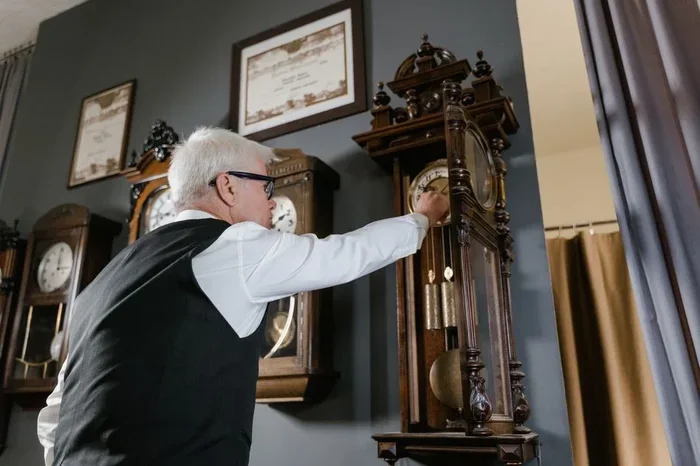
For pendulum clocks, the adjustment works differently. You can move the pendulum bob up or down to change the speed. Moving it up speeds the clock up. Moving it down slows the clock down. Clock hands alignment should also be checked during this step. Misaligned hands can interfere with the movement and cause inaccurate readings.
Step 4: Test Over Several Days
After making your initial cosstrek clock adjustment, do not assume it is perfect yet. Test the clock over several days. Compare it against your reference time source each morning. Note any gains or losses. This data helps you fine-tune the adjustment further if needed.
Clock synchronization with a reliable time source is the best way to verify accuracy. If your clock consistently gains or loses time, make another small adjustment. Repeat this process until the clock stays within a few seconds of the correct time over a full week.
Common Cosstrek Clock Adjustment Problems and Solutions
Even with careful setup, clocks can develop problems over time. Understanding these common issues helps you troubleshoot effectively. Clock troubleshooting becomes much less frustrating when you know what to look for.
The Clock Runs Too Fast
A clock running fast is one of the most common complaints. On quartz models, this often means the quartz clock settings need fine-tuning. Turn the adjustment screw slightly in the opposite direction to slow the clock down. On pendulum clocks, lowering the pendulum bob will slow the swing and reduce the speed.
Another cause of fast-running clocks is a worn-out battery. As the battery weakens, it can affect the oscillator frequency. Simply replacing the battery often fixes this problem. Clock performance improves significantly with fresh power sources.
The Clock Runs Too Slow
If your clock is losing time, the opposite adjustments apply. On quartz clocks, turn the adjustment screw slightly to speed up the mechanism. On pendulum clocks, raising the bob shortens the pendulum and increases the swing speed.
Dust and debris inside the clock mechanism can also cause slowing. Over time, tiny particles build up on the gears and pivot points. A gentle cleaning with compressed air can restore smooth operation. Clock maintenance includes regular cleaning to prevent this buildup.
The Clock Stops Completely
A clock that stops working needs immediate attention. Start by checking the battery or winding the mainspring if it is a mechanical model. If power is not the issue, the problem may lie in the clock mechanism itself. Gently tap the side of the clock to see if a stuck gear releases.
Sometimes the clock hands press against each other or the dial, causing a jam. Clock hands alignment ensures nothing is blocking the movement. If the clock still will not start, the internal springs or gears may need professional repair. Cosstrek clock adjustment sometimes goes beyond DIY fixes, and that is perfectly okay.
Environmental Factors That Affect Clock Accuracy
Where you place your clock matters more than most people realize. Environmental factors like temperature, humidity, and placement can all impact timekeeping accuracy. Understanding these influences helps you position your clock for optimal performance.
Temperature and Humidity
Extreme temperatures affect the expansion and contraction of metal parts inside the clock. A clock placed near a heater, window, or air vent may experience accuracy issues. Clock precision is best maintained in stable, moderate indoor environments.
Humidity can cause metal components to corrode over time. Wooden pendulum rods may swell or shrink with moisture changes, affecting the swing rate. Keeping your clock in a dry, temperature-controlled room supports long-term clock accuracy and reliable cosstrek clock adjustment performance.
Placement and Vibration
Place your clock on a stable, level surface. Clocks on uneven surfaces may tick unevenly and drift over time. Vibration from nearby appliances or foot traffic can also disturb the internal mechanism. Clock synchronization works best when the clock sits still and undisturbed.
If you own a pendulum clock, wall mounting is usually the best option. The wall provides stability and reduces external vibrations. Wall clocks also benefit from being hung at eye level for easy time checking. Proper analog clock setup includes thoughtful placement from day one.
Quick Tips for Better Clock Accuracy
- Keep clocks away from direct sunlight and heat sources.
- Place clocks on stable, level surfaces to prevent uneven ticking.
- Replace batteries every 12 months, even if the clock still works.
- Clean the exterior regularly with a soft, dry cloth.
- Check clock hands alignment every few months.
- Avoid placing clocks near speakers or vibrating appliances.
When to Seek Professional Help
Most cosstrek clock adjustment tasks are simple enough for a home fix. But some situations call for a professional touch. Knowing when to call a clock technician saves you from causing accidental damage.
If your clock has been running inaccurately despite multiple adjustment attempts, the internal mechanism may need expert repair. Complex mechanical clocks with intricate gear systems require specialized tools and knowledge. A professional can also perform deep cleaning and oiling that extends the life of your clock significantly.
Clock maintenance professionals can also handle antique or vintage pieces that demand extra care. These clocks often have unique mechanisms that differ from modern models. Trusting an expert with valuable or sentimental timepieces protects both the clock and your investment. Time correction by a skilled technician ensures your clock runs at peak performance for years to come.
Building a Clock Care Routine
The best way to maintain clock accuracy is through a simple, regular care routine. Just like brushing your teeth, small consistent efforts prevent big problems later. A little clock maintenance goes a long way toward keeping your cosstrek clock in top shape.
Weekly Checks
Once a week, glance at your clock and compare it against your phone or another reliable time source. This takes just a few seconds and catches drift early. If you notice the clock is off by more than a minute, make a small cosstrek clock adjustment right away.
Monthly Maintenance
Each month, wipe down the clock with a soft cloth to remove dust. Check the battery level if applicable. Inspect the clock hands for any signs of misalignment or sticking. These simple habits keep your clock mechanism running smoothly and support long-term clock precision.
Seasonal Deep Care
Every few months, perform a deeper check. Inspect the interior if accessible, and look for dust buildup or worn components. For pendulum clocks, check the length of the pendulum and adjust as needed for seasonal temperature changes. Clock calibration at the seasonal level keeps your timekeeping accurate year-round.
Conclusion
Cosstrek clock adjustment does not have to be complicated or intimidating. With the right knowledge and a few basic tools, anyone can keep their clock running accurately and reliably. From initial setup to ongoing maintenance, the tips in this guide cover everything you need. Regular clock calibration, proper placement, and timely battery replacement form the foundation of great timekeeping.
Remember that every clock is slightly different. Patience and small, careful adjustments yield the best results. If a problem persists, do not hesitate to seek professional help. A well-maintained clock brings joy and precision to your home for many years. Start applying these cosstrek clock adjustment tips today and enjoy perfect timekeeping every single day.
Frequently Asked Questions
How often should I adjust my cosstrek clock?
You should check and adjust your cosstrek clock adjustment at least once a month. Quartz clocks may only need adjustment every few months, while mechanical clocks benefit from weekly checks. Regular monitoring catches drift early before it becomes a bigger issue.
Why does my cosstrek clock keep losing time?
Clocks lose time for several reasons, including weak batteries, dust in the mechanism, or misaligned internal components. Temperature changes and humidity can also affect timekeeping accuracy. Start with a battery replacement and gentle cleaning, then make small speed adjustments if needed.
Can I adjust a cosstrek pendulum clock myself?
Yes, adjusting a cosstrek clock adjustment on a pendulum clock is straightforward. Move the pendulum bob up to speed the clock up, or down to slow it down. Make tiny adjustments and wait 24 hours before checking the results again.
What type of battery works best for cosstrek clocks?
High-quality alkaline batteries are the best choice for most quartz cosstrek clocks. Avoid rechargeable batteries as they may not provide consistent voltage. Replace the battery annually to maintain clock precision and reliable performance.
How do I know if my clock needs professional repair?
If your clock stops despite a new battery and proper winding, or if it consistently drifts even after multiple adjustments, professional help is a good idea. A clock technician can diagnose internal issues like worn gears or damaged springs. Trusting an expert protects valuable or antique timepieces from further damage.
Does wall placement affect cosstrek clock accuracy?
Yes, wall placement significantly affects clock accuracy. Clocks on unstable or uneven walls may tick irregularly and drift over time. Hang your clock on a solid, level surface away from heat sources and direct sunlight for the best timekeeping accuracy.