Everything About Window Tint Percentages You Should Know
Window tint percentages determine how much light passes through your glass, and choosing the right level can transform your driving or living experience. Visible Light Transmission (VLT) is the key metric that measures tint darkness, and every state has its own legal limits. This guide covers everything you need to know about tint shades, film types, laws, and how to pick the best window film for your needs.
If you have ever walked past a car and noticed its dark, sleek windows, you have seen window tint percentages in action. Tinting your windows is one of the simplest upgrades you can make for comfort, privacy, and style. But with so many options available, choosing the right tint shade can feel overwhelming. This guide breaks down everything you need to know about window tint percentages, from the basics of VLT to legal limits and film types.
Whether you are tinting your car for the first time or upgrading your home window film, understanding tint darkness levels is essential. You will learn what the numbers mean, which percentage is right for you, and how to stay within the law. Let us dive in.
Key Takeaways
- VLT is the standard: Window tint percentages measure visible light transmission, not darkness directly.
- Legal limits vary by state: Each state has different rules for front, rear, and windshield tinting.
- Film type matters: Ceramic, carbon, dyed, and metalized films offer different performance levels.
- Choose based on purpose: Cars, homes, and offices need different tint levels for best results.
- Professional installation helps: A pro ensures bubbles, peeling, and legal compliance are avoided.
- UV protection is a major benefit: Quality tint blocks up to 99% of harmful UV rays regardless of shade.
- Don’t ignore local laws: Illegal tint can lead to fines and failed inspections.
📑 Table of Contents
What Are Window Tint Percentages?
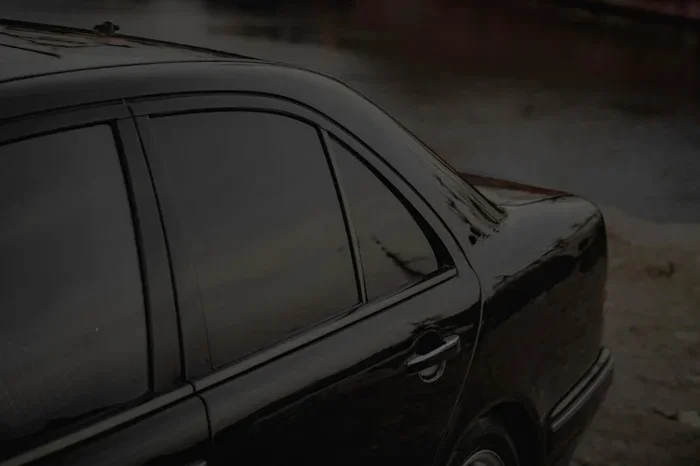
Window tint percentages refer to the amount of visible light that passes through a tinted film. The higher the number, the more light gets through. The lower the number, the darker the tint. This measurement is called Visible Light Transmission, or VLT for short. For example, a 70% tint lets in 70% of light, while a 5% tint only lets in 5%. That is why a 5% tint is often called “limo tint.”
Tint percentages are not just about looks. They directly affect how much heat enters your vehicle or home, how much UV protection you get, and how well you can see through the glass. Before you buy any aftermarket tint, you should understand what the numbers mean and how they impact your daily experience.
Why the Numbers Matter
The percentage you choose changes everything. A higher VLT keeps your windows looking almost clear. A lower VLT gives you a sleek, dark look but may reduce visibility. Window tint percentages also affect your safety at night or in low-light conditions. Choosing the right balance between style and function is the key to a great tint job.
How Visible Light Transmission (VLT) Works
VLT is the core concept behind window tint percentages. It measures the percentage of visible light that passes through the glass and film combined. If your car already has factory tint, that base tint has its own VLT rating. When you add aftermarket tint on top, the combined VLT drops even further.
Understanding VLT Ratings
Every piece of tint film comes with a VLT rating printed on the package. A film rated at 35% VLT allows 35% of light to pass through and blocks the rest. Here is a simple breakdown:
- 70% to 100% VLT: Very light tint. Barely noticeable. Great for reducing glare without darkening windows.
- 50% to 65% VLT: Medium tint. Good balance of heat rejection and visibility.
- 35% to 45% VLT: Popular choice for cars. Offers a nice dark look while still being safe for driving.
- 20% to 30% VLT: Dark tint. Great for privacy and heat reduction.
- 5% to 15% VLT: Very dark. Often used on rear windows for privacy. Not recommended for front side windows.
Higher vs. Lower Percentages
Higher percentages mean more light and better visibility. Lower percentages mean less light, more privacy, and more heat rejection. But there is a trade-off. Very dark tints can make it hard to see at night or in tunnels. When choosing window tint percentages, always think about where and when you drive most often.
Common Types of Window Tint Films
Not all tint films are the same. Different materials offer different levels of heat rejection, glare reduction, and durability. Here are the most common types you will encounter when shopping for window tint percentages.
Dyed Film
Dyed tint is the most affordable option. It uses a layer of dye to absorb heat and reduce glare. Dyed films come in a range of tint shades and look great at first. However, they tend to fade and bubble over time. If you are on a tight budget, dyed film is a decent starting point.
Metalized Film
Metalized tint contains tiny metallic particles that reflect heat away from the glass. It is more durable than dyed film and does not fade easily. The downside is that metalized film can interfere with cell phone signals and GPS. It also gives the window a shiny, reflective look that some people do not prefer.
Carbon Film
Carbon tint is a step up from both dyed and metalized films. It does not fade, it does not interfere with electronics, and it offers excellent solar heat rejection. Carbon film has a matte finish that looks sleek and modern. It is one of the most popular choices for people who want a premium look without the ceramic price tag.
Ceramic Film
Ceramic tint is the top-tier option. It uses nano-ceramic particles to block heat and UV rays without affecting visibility or signal strength. Ceramic film offers the best UV protection and the highest level of heat rejection. It is also the most expensive. If you want the best performance from your window tint percentages, ceramic is the way to go.
Legal Window Tint Percentages by State
One of the most important things to know about window tint percentages is that the law varies from state to state. What is legal in one state might get you pulled over in another. Tint laws exist to ensure driver safety by maintaining visibility through front and rear windows.
Front Side Windows
Most states require the front side windows to have a VLT of at least 50% to 70%. This ensures the driver can see clearly in all lighting conditions. Some states allow lower percentages for the front windows, but they often require a medical exemption or special permit.
Rear Windows and Windshield
Rear windows can usually be tinted darker than front windows. Many states allow 20% to 5% VLT on rear side and rear windshield windows. The front windshield is the most restricted. Most states only allow a thin strip of tint along the top of the windshield, usually above the AS-1 line.
Always check your local state tint laws before purchasing. Some states also have rules about the color of the tint and whether reflective or mirrored finishes are allowed. Getting caught with illegal tint darkness can result in fines, tickets, or even being told to remove the tint entirely.
Quick Reference: Typical Legal Limits
- Front side windows: Usually 50% to 70% VLT minimum.
- Rear side windows: Often 20% to 5% VLT allowed.
- Windshield: Usually only a non-reflective strip at the top.
- Medical exemptions: Available in some states for darker tints.
How to Choose the Right Tint Percentage
Choosing the right window tint percentages depends on what you want from the tint. Are you looking for comfort, privacy, style, or all of the above? Here is how to decide based on your specific needs.
For Cars
If you are tinting a car, start by checking your state’s legal limits. A 35% VLT is one of the most popular choices for front side windows. It offers a dark, stylish look while still providing good visibility. For rear windows, many car owners go with 20% to 5% for added privacy and heat reduction. If you drive a lot at night, stick with a higher percentage for safety.
Also consider the type of film. Ceramic tint performs best in hot climates because it blocks the most heat. Carbon tint is a great middle-ground option. If you want the lowest cost, dyed film works but will need replacement sooner.
For Homes and Offices
Residential and commercial window tint follows different rules than automotive tint. You have more freedom to choose darker shades for homes and offices. A 50% to 35% VLT film works well for most buildings. It reduces solar heat, blocks harmful UV rays, and adds privacy without making the space feel dark.
For rooms that get intense sun exposure, such as south-facing windows, consider a 20% to 30% VLT film. This provides maximum heat rejection and keeps your interior furniture from fading. If you need a mirror-like reflective look for privacy during the day, metalized or reflective films are a solid choice.
Benefits of Different Tint Levels
Every tint shade comes with its own set of benefits. Understanding these benefits helps you make a smarter decision about window tint percentages.
Heat Reduction
Darker tints block more solar energy and keep your car or home cooler. Even a medium-level tint at 35% VLT can reduce interior temperatures significantly. This means less reliance on air conditioning, which saves fuel in cars and energy in buildings.
UV Protection
Quality tint blocks up to 99% of harmful UV rays, regardless of the VLT level. This protects your skin during long drives and prevents your car’s interior or your home’s furnishings from fading and cracking. UV protection is one of the most overlooked benefits of window film.
Glare Reduction
Glare from the sun or headlights can be dangerous and uncomfortable. Tinting your windows reduces glare significantly, making driving and working near windows much more pleasant. A 50% VLT film is often enough to cut glare without darkening the space too much.
Privacy and Security
Darker tints make it harder for people outside to see in. This adds a layer of privacy for your home, office, or vehicle. It also makes it harder for thieves to see valuables inside your car, which can deter break-ins.
Safety and Shatter Protection
Some safety film options are designed to hold glass together if it breaks. This is especially useful in cars and homes located in areas prone to storms or accidents. While not all tint films offer this feature, many premium options include shatter-resistant backing.
Common Mistakes People Make with Window Tint
Even experienced tint buyers can make mistakes. Avoiding these common errors will save you time, money, and frustration.
Choosing Too Dark
It is tempting to go with the darkest tint available, especially for the rear windows. But very dark tints reduce visibility, which can be dangerous. Always choose a percentage that balances your style goals with safety needs. If you are unsure, a medium tint at 35% to 50% VLT is a safe and popular choice.
Ignoring Local Laws
Every state has different tint laws, and some local municipalities have their own rules on top of that. Installing a tint that is too dark for your area can result in fines, failed inspections, and the hassle of having to remove it. Do your research before you buy.
Skipping Professional Installation
DIY tint kits are cheaper, but they often lead to bubbles, peeling, and uneven application. Professional installers have the tools, experience, and training to get a clean, long-lasting finish. If you are investing in quality window tint percentages, it is worth paying for proper installation.
Forgetting About Film Quality
Not all tint films are created equal. A cheap dyed film might look great at first but will fade within a year or two. Investing in a higher-quality film like carbon or ceramic pays off in the long run with better performance and durability.
Conclusion
Window tint percentages are the foundation of any good tinting decision. Whether you are tinting your car for style and comfort or upgrading your home for energy efficiency and privacy, understanding VLT levels, film types, and legal limits puts you in control. The right tint shade can reduce heat, block harmful UV rays, cut glare, and add privacy to any space.
Take the time to research your options, check your local laws, and choose a film type that fits your budget and needs. With the right window tint percentages, you will enjoy a more comfortable, safer, and more private environment every single day. Start your tinting journey today and feel the difference.
Frequently Asked Questions
What does window tint percentage mean?
Window tint percentage refers to the Visible Light Transmission (VLT) level of the film. It tells you how much visible light passes through the tinted glass. A higher percentage means more light gets through, and a lower percentage means a darker tint. This measurement helps you choose the right tint shade for your needs.
Is 35% window tint dark enough?
A 35% VLT tint is one of the most popular choices for cars. It offers a noticeably dark look while still providing good visibility for safe driving. It is legal in most states for front side windows and is a great balance of style, comfort, and function.
Can I tint my car windows to 5%?
5% VLT, also known as limo tint, is very dark. It is usually only legal on rear windows in many states. Front side windows and windshields typically must be lighter to meet state tint laws. Always verify your local regulations before going this dark.
Does window tint block UV rays?
Yes, quality window film blocks up to 99% of harmful UV rays, regardless of the tint percentage. This protects your skin and prevents interior fading. Even a light 50% VLT film offers strong UV protection, making it a smart choice for homes and cars alike.
What is the best tint percentage for home windows?
For homes, a 35% to 50% VLT film works well for most rooms. It reduces solar heat, provides privacy, and still lets in plenty of natural light. For rooms with intense sun exposure, a 20% to 30% VLT film offers maximum heat rejection and comfort.
How long does window tint last?
The lifespan of your tint depends on the film type and installation quality. Dyed films may last 2 to 5 years. Carbon and ceramic films can last 10 years or more with proper care. Professional installation significantly extends the life of any window tint percentages you choose.