I Purchased a Used Car from a Dealership What Happened Next
I purchased a used car from a dealership and the journey was full of surprises. This guide walks you through every step, from the first visit to driving home. You will learn what to expect, common pitfalls, and smart tips that save money and stress.
I purchased a used car from a dealership about two years ago. It was one of the biggest decisions I had made in a long time. I was nervous, excited, and honestly a little overwhelmed. The whole process felt like a maze. But I learned a lot along the way. And I want to share that with you.
Buying a pre-owned vehicle from a dealer is not the same as buying a new one. There are different steps, different risks, and different rewards. When I bought my car, I did not know what to expect. I did not know the right questions to ask. I did not know what to look for in the paperwork. But after it was all done, I felt confident and happy with my choice.
This article breaks down everything that happened. From the first visit to the dealership to the moment I drove home. I will share practical tips, real lessons, and honest advice. Whether you are a first-time buyer or someone looking to upgrade, this guide will help you navigate the process with ease.
Key Takeaways
- Do your homework first: Research the car model, fair price, and dealer reputation before you walk in.
- Always get a vehicle history report: This protects you from hidden accidents or serious damage.
- Test drive is non-negotiable: Drive the car in different conditions to spot problems early.
- Review every paper carefully: Sales contracts and financing terms can hide fees and surprises.
- Know your rights: Lemon laws and dealer warranties give you real protection after purchase.
- Post-purchase care matters: Regular maintenance keeps your pre-owned vehicle running strong for years.
📑 Table of Contents
- Why I Chose to Buy a Used Car from a Dealership
- What Happened Before I Bought the Car
- The Buying Process: What to Expect
- What Happened After I Drove Home
- Common Mistakes Buyers Make
- My Honest Experience: The Good and the Bad
- Tips for a Smooth Car Buying Experience
- Understanding Your Rights as a Buyer
- Final Thoughts and My Recommendation
Why I Chose to Buy a Used Car from a Dealership
There are many ways to buy a used car. You can shop private sellers, online marketplaces, or licensed dealers. I chose a dealership for several reasons. Let me explain why this path made sense for me.
One-Stop Shopping for the Whole Process
A dealership handles a lot of the heavy lifting. They manage the vehicle inspection, the paperwork, and the financing. When I purchased a used car from a dealership, I did not have to coordinate with multiple parties. Everything was in one place. This saved me a ton of time and energy.
Access to Certified Pre-Owned Programs
Many dealerships offer certified pre-owned programs. These vehicles go through a strict inspection process. They often come with extended warranties. When I looked at options, the certified pre-owned selection stood out. It gave me peace of mind that the car had been checked thoroughly.
Financing Options On Site
Dealers often have relationships with multiple lenders. This means you can compare financing offers in one visit. I was able to explore different loan terms and interest rates. This made it easier to find a payment plan that fit my budget.
What Happened Before I Bought the Car
The process started well before I signed any papers. There was a lot of groundwork involved. Here is a look at the steps I took before making my final decision.
Step One: Research and Budgeting
I spent weeks researching different models. I looked at reliability ratings, fuel efficiency, and resale value. I also set a realistic budget. I did not want to stretch too thin. A good rule of thumb is to keep your car payment under 15 percent of your monthly income.
I used online tools to check fair market prices. This helped me understand what a reasonable offer looked like. I also read reviews from other buyers. Their experiences gave me valuable insights into what to watch out for.
Step Two: Visiting the Dealership
Once I had a shortlist, I visited the dealership in person. I wanted to see the cars up close. I wanted to get a feel for the environment. The staff was friendly and helpful. They answered my questions without rushing me. That was a good sign.
I asked to see the vehicle history report for each car I was interested in. This report showed past accidents, service records, and ownership history. It was an essential part of my decision-making process.
Step Three: The Test Drive
I never skip a test drive. And I never will. When I test drove the car I eventually bought, I paid close attention to how it handled. I drove on the highway, on city streets, and on bumpy roads. I listened for strange noises. I checked the brakes, the steering, and the suspension.
The test drive told me more about the car than any listing ever could. It helped me feel confident that this was the right choice.
The Buying Process: What to Expect
Once I found the right car, the actual purchase process began. Here is a breakdown of what happened and what you can expect too.
Negotiating the Price
Negotiation is a normal part of buying a used car from a dealership. I started with a price lower than what they asked. I backed it up with data from my market research. The dealer countered, and we went back and forth a few times.
Stay calm and confident during negotiations. Do not show too much excitement. Be willing to walk away if the deal does not feel right. Often, the dealer will come back with a better offer.
Reviewing the Sales Contract
This is where many buyers get tripped up. The sales contract can be long and full of details. I took my time reading every line. I checked for hidden fees, extra charges, and add-ons I did not ask for.
Some common add-ons include extended warranties, gap insurance, and accessories. Some are valuable. Others are not worth the cost. Ask the dealer to explain anything you do not understand. Never sign a contract you have not fully reviewed.
Finalizing the Financing
If you are financing the purchase, the dealer will connect you with a lender. I compared the interest rate they offered with rates from my bank. The dealer’s rate was slightly better, so I went with it. But it never hurts to shop around.
Make sure you understand the loan terms. Know the interest rate, the monthly payment, and the length of the loan. A longer loan term means lower payments but more interest over time.
What Happened After I Drove Home
The purchase was complete, but my experience was far from over. There were several important steps I took after driving the car home.
Getting the Car Inspected
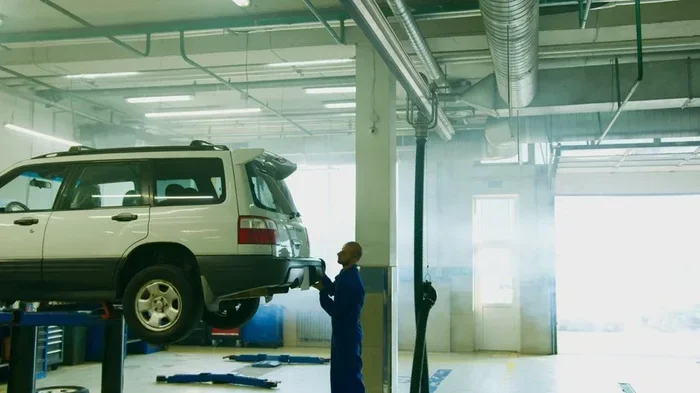
Even though the dealership had inspected the car, I wanted a second opinion. I took it to an independent mechanic. The mechanic checked the engine, transmission, brakes, and other key systems. He found a minor issue that the dealer had missed. This was a small cost that saved me from a bigger problem later.
I highly recommend getting an independent inspection. It is one of the best things you can do for your peace of mind.
Handling the Paperwork
There is some paperwork involved after purchasing a used car. You need to transfer the title, register the vehicle, and get new license plates. The dealership usually helps with this. But it is good to know what is required.
Each state has different rules for car registration and titling. Check with your local DMV or equivalent agency. Make sure you complete everything on time to avoid fines or legal issues.
Setting Up Maintenance and Insurance
I set up an insurance policy right away. I also created a maintenance schedule for the car. Regular oil changes, tire rotations, and brake checks keep a vehicle running smoothly. I followed the manufacturer’s recommended service intervals closely.
Good maintenance habits add years to the life of your car. They also help maintain the resale value if you decide to sell later.
Common Mistakes Buyers Make
Learning from other people’s mistakes is one of the smartest things you can do. Here are some common errors I see buyers make when they purchase a used car from a dealership.
- Skipping the vehicle history report: This report can reveal serious problems like flood damage or odometer fraud. Always ask for it.
- Skipping the test drive: A test drive is your chance to feel the car. Do not skip it no matter how good the deal looks.
- Not reading the contract carefully: Hidden fees and unclear terms can cost you hundreds of dollars. Read every line.
- Rushing the decision: Pressure tactics are common in car sales. Take your time and do not let anyone rush you.
- Ignoring your gut feeling: If something feels off, trust your instincts. Walk away and look for another car.
My Honest Experience: The Good and the Bad
Let me be real with you. Buying a used car from a dealership was not perfect. There were some challenges along the way. But overall, I had a positive experience. Here is my honest take.
The good: The car has been reliable. The dealership honored the warranty. The financing terms were fair. I feel confident every time I get behind the wheel.
The bad: The negotiation process took longer than I expected. There were a few add-ons I did not want. And the paperwork was confusing at times. But these are normal parts of the process.
The lessons: I learned the value of preparation. I learned to ask questions and not be afraid to push back. And I learned that patience pays off in the end.
Tips for a Smooth Car Buying Experience
Here are some practical tips that helped me during my journey. I hope they help you too.
- Get pre-approved for financing before you visit. This gives you a clear budget and negotiating power.
- Bring a friend or family member. A second set of eyes can catch things you might miss.
- Take photos of the car inside and out. This helps you remember details and document the condition.
- Ask about the return policy. Some dealerships offer a short return window. This is a nice safety net.
- Keep all your documents organized. Store the sales contract, warranty, and service records in a safe place.
Understanding Your Rights as a Buyer
When you purchase a used car from a dealership, you have certain rights. These rights vary by state but generally protect you from unfair practices.
Many states have lemon laws that cover used vehicles. These laws require dealers to honor warranties and disclose known issues. If a car has a serious defect that cannot be fixed, you may be entitled to a refund or replacement.
The Federal Trade Commission also has rules for car dealers. They require dealers to disclose important information about the vehicle. This includes any known mechanical issues or salvage history. Know your rights before you walk into the dealership.
Final Thoughts and My Recommendation
I purchased a used car from a dealership and I am glad I did. The experience taught me a lot. It was an adventure filled with learning moments. And the car has been a dependable companion ever since.
If you are thinking about buying a pre-owned vehicle from a dealer, I say go for it. But go in prepared. Do your research. Ask the right questions. And never rush a decision. The right car is out there. And with the right approach, you will find it.
Remember that buying a car is a journey. It is not just about the purchase. It is about finding a vehicle that fits your life, your budget, and your needs. Take your time, stay informed, and enjoy the ride.
Frequently Asked Questions
Is it safe to purchase a used car from a dealership?
Yes, buying from a licensed dealership is generally safer than buying from a private seller. Dealerships must follow state and federal regulations. They also typically offer some form of warranty or return policy. Always do your research and inspect the vehicle carefully before committing.
What should I check before buying a used car from a dealer?
You should check the vehicle history report, take a thorough test drive, and get an independent inspection. Review the sales contract carefully and understand all the fees. Also compare financing offers from multiple sources to ensure you are getting a fair rate.
Can I negotiate the price when I buy a used car from a dealership?
Absolutely. Price negotiation is a standard part of the car buying process. Come prepared with market data and a clear budget. Be polite but firm, and do not be afraid to walk away if the deal does not meet your expectations.
What is a certified pre-owned vehicle and is it worth it?
A certified pre-owned vehicle has been inspected and reconditioned by the manufacturer or dealer. It often comes with an extended warranty and additional perks. These vehicles typically cost a bit more than regular used cars, but the added protection can be well worth it.
How long does it take to buy a used car from a dealership?
The process can take anywhere from a few hours to a full day. Research and preparation beforehand can significantly speed things up. If you need to arrange financing or wait for paperwork, it may take longer. Plan your visit with enough time to make a thoughtful decision.
What are my rights if the used car I bought has problems?
Your rights depend on your state’s lemon laws and the terms of the sale. Many states require dealers to honor written warranties. If the car has a major defect that was not disclosed, you may have legal recourse. Keep all your documentation and consult a consumer protection attorney if needed.
=== CONCLUSION ===
I purchased a used car from a dealership and the experience was both challenging and rewarding. The key was preparation, patience, and staying informed throughout the process. From researching the right model to negotiating the price and reviewing the contract, every step mattered.
Buying a pre-owned vehicle from a dealer does not have to be stressful. With the right approach, you can find a reliable car that fits your needs and budget. Use the tips and insights shared in this guide to navigate your own journey with confidence.
Remember, the goal is not just to buy a car. It is to buy the right car. Take your time, ask questions, and trust your judgment. Your next used car buying experience can be a great one if you go in prepared and stay focused on what matters most.