N California Who Pays for the Smog When Selling a Car
N California who pays for the smog when selling a car depends on a few key factors. In most cases, the seller handles the smog check before listing the vehicle. Buyers should know their rights and what to expect during a used car sale. This guide breaks down the costs, rules, and responsibilities for both sides. Knowing the process saves time, money, and stress for everyone involved.
Selling a car in N California involves more than just setting a price and handing over the keys. One critical step is the smog check, a requirement under California law. Many people wonder who actually foots the bill for this emissions test. The answer is not always straightforward. It depends on the type of sale, the vehicle, and any agreements made between the buyer and seller.
Understanding n California who pays for the smog when selling a car helps both parties avoid confusion. The California smog laws are clear but often misunderstood. This guide explains everything you need to know. From smog certification to vehicle inspection fees, we cover it all. Let us break down the process step by step.
Key Takeaways
- Seller pays in most cases: The law typically requires the seller to provide a valid smog certificate.
- Buyer responsibility exists too: In some private deals, the buyer may agree to cover smog costs.
- Smog fees vary: Expect to pay between $29 and $69 for a standard inspection at a licensed station.
- Exemptions apply: Certain vehicles, like those under four years old, skip the smog requirement.
- Failed smog means repairs: You have 90 days to fix issues and pass a re-test at a reduced fee.
- Dealers handle smog differently: Licensed dealers often manage the smog process on behalf of the seller.
- Pre-inspection helps: A quick check before listing can prevent surprises during the sale.
📑 Table of Contents
- Understanding Smog Requirements in N California
- Who Is Responsible for Paying for Smog?
- Smog Costs and Fees Breakdown
- Common Scenarios and How They Work
- Tips to Pass a Smog Check the First Time
- What Happens If a Car Fails Smog?
- The Role of the DMV in Smog and Title Transfers
- Environmental Impact of Smog Checks
- Frequently Asked Questions
- Final Thoughts
Understanding Smog Requirements in N California
Before diving into payments, it helps to understand what a smog check involves. The California Air Resources Board, or CARB, sets the rules. These rules aim to reduce tailpipe emissions and keep the air clean. Every vehicle sold in N California must meet specific emissions standards.
What Is a Smog Check?
A smog check tests your car’s emissions system. It measures pollutants coming from the exhaust. The test includes a visual inspection and a tailpipe emissions measurement. Most modern cars also need an OBDII test, which checks the onboard diagnostics system.
The smog station performs this inspection. Only licensed stations can issue a smog certificate. This certificate proves your vehicle meets state standards. Without it, you cannot complete a title transfer at the DMV.
CARB Standards and Emissions Limits
CARB sets strict limits on what a car can emit. These limits vary by vehicle model year and type. California smog laws are among the toughest in the nation. They apply to gasoline-powered cars, diesel trucks, and even some hybrid vehicles.
Vehicles that run clean pass the check easily. Older cars or those with poor maintenance may struggle. The goal is to keep harmful pollutants out of the air. This protects public health and the environment.
Who Is Responsible for Paying for Smog?
The question of n California who pays for the smog when selling a car comes down to a few common scenarios. Let us look at who typically handles the cost.
The Seller’s Obligations
In most used car sales, the seller must provide a valid smog certificate. This is a legal requirement. The seller usually pays for the smog inspection fee upfront. This ensures the car is ready for sale and meets all state rules.
Think of it this way. The seller wants to make the car as attractive as possible. A clean smog report builds buyer confidence. It also speeds up the sale process. No one wants delays caused by a failed inspection.
However, the seller is not always responsible. If the buyer and seller agree otherwise, the terms can change. This often happens in private sales between friends or family.
The Buyer’s Role in Smog Payments
Buyers should never assume the seller will handle everything. In some cases, the buyer agrees to pay for smog. This is common when the seller offers the car “as is.”
Before finalizing any deal, both parties should discuss smog costs. A clear agreement prevents misunderstandings later. The DMV requirements do not change based on who pays. The vehicle still needs a valid certificate for the title transfer.
Smart buyers get a pre-purchase inspection before committing. This helps them understand the car’s condition. It also gives them leverage in negotiating who pays for smog.
Smog Costs and Fees Breakdown
Knowing the expected costs helps you budget for the sale. Smog inspection fees are regulated by the state. They cannot exceed a set maximum. Let us look at what you can expect to pay.
| Service | Average Cost | Who Typically Pays |
|---|---|---|
| Standard smog check | $29 – $69 | Seller |
| Smog check with repairs | $150 – $500+ | Varies by agreement |
| Re-test after repairs | $20 – $30 | Seller or buyer |
| Smog waiver (if eligible) | No fee | N/A |
Average Smog Inspection Prices
A basic smog check at a licensed station costs between $29 and $69. The price depends on the vehicle type and the station’s location. Urban areas in N California may charge slightly more. Rural areas tend to be a bit cheaper.
This fee covers the inspection only. It does not include any repairs. If your car needs work, the total cost goes up. Always ask for a written estimate before authorizing any repairs.
Additional Costs if Repairs Are Needed
Some cars fail the smog check and need repairs. Common issues include a faulty catalytic converter or a loose gas cap. The cost of fixing these problems varies widely.
A simple fix like tightening a gas cap costs nothing. Replacing a catalytic converter can cost several hundred dollars. The smog inspection fee stays the same, but the repair bill adds up fast.
Quick Tips to Reduce Smog Costs
- Get a tune-up before the smog check.
- Check for loose or damaged gas caps.
- Drive the car for 20 minutes before the test to warm it up.
- Address check-engine lights well before the sale date.
Common Scenarios and How They Work
Different types of sales come with different rules. Understanding each scenario helps you plan ahead.
Private Party Sales
In a private sale, the seller usually pays for the smog check. This is the standard practice in N California. The seller provides the smog certificate as part of the sale paperwork.
However, private sellers sometimes ask the buyer to handle it. This often happens when the seller is in a hurry to sell. Always get the smog status in writing before agreeing to pay.
Dealer Transactions
Licensed car dealers manage the smog process differently. They typically handle the smog certification on behalf of the seller. The cost is usually factored into the sale price.
Buyers should still ask for proof of a passed smog check. A reputable dealer will provide this without hesitation. If they do not, that is a red flag.
Family Transfers and Exemptions
Some transfers between family members are exempt from smog checks. This includes transfers between spouses, parents, and children. The vehicle must still meet certain conditions to qualify.
Even with an exemption, the title transfer must go through the DMV. The rules can be complex, so check with the DMV before assuming an exemption applies.
Tips to Pass a Smog Check the First Time
Nobody wants to deal with a failed smog check. A little preparation goes a long way. Follow these tips to increase your chances of passing on the first try.
Pre-Inspection Vehicle Prep
Start by addressing any dashboard warning lights. A check-engine light will almost certainly cause a failure. Get the code read and fix the issue before the inspection.
Make sure your tires are properly inflated. This may seem unrelated, but it affects the OBDII test results. Also, change your oil if it is due. Dirty oil can increase emissions.
Drive the car at highway speeds for at least 20 minutes before the test. This helps the catalytic converter reach optimal operating temperature. It also burns off any built-up exhaust residues.
Choosing the Right Smog Station
Not all smog stations are the same. Choose a licensed STAR station for the most thorough inspection. These stations are tested and certified by the state.
Read reviews before picking a station. A good station will explain the results clearly. They should also offer honest advice on any needed repairs. Avoid stations that promise guaranteed passes for an extra fee.
Expert Insight
Many sellers in N California get a quick pre-check at a local garage before the official smog test. This costs a small fee but can save hundreds in repair costs. It also gives the seller time to fix issues before listing the car.
What Happens If a Car Fails Smog?
A failed smog check is not the end of the world. California law allows for repairs and re-testing. Here is what you need to know.
Smog Waiver Options
In some cases, a car may qualify for a smog waiver. This applies to vehicles that are older or have high mileage. If the owner has spent a certain amount on repairs and the car still fails, a waiver may be granted.
The waiver allows the sale to proceed without a passing smog certificate. However, strict requirements must be met. The vehicle must have been tested at a certified station. All repairs must be documented and completed.
Repair and Re-Test Procedures
If your car fails the smog check, you have 90 days to fix the issues. You can then return to the same station for a free or reduced-cost re-test. The station must honor the original inspection fee for the re-test period.
Common fixes that lead to a pass include replacing spark plugs, fixing vacuum leaks, or changing the oxygen sensor. A smog abatement professional can help identify the root cause of a failure.
Common Mistakes to Avoid
- Ignoring the check-engine light before a smog test.
- Failing to bring proper documentation to the inspection.
- Assuming a low price means the smog is already handled.
- Not reading the smog certificate carefully before signing.
The Role of the DMV in Smog and Title Transfers
The DMV plays a key role in the sale process. They verify the smog certificate before approving the title transfer. Without a valid certificate, the DMV will not complete the transfer.
Both the buyer and seller must bring certain documents to the DMV. These include the smog certificate, the title, and a bill of sale. The DMV requirements are clear and well-documented on their website.
Plan for some wait time at the DMV. It can get busy, especially in N California. Going early in the day or booking an appointment can save you time.
Environmental Impact of Smog Checks
Smog checks do more than just keep cars legal. They play a big role in protecting the environment. N California has some of the worst air quality in the nation. The emissions test helps reduce harmful pollutants.
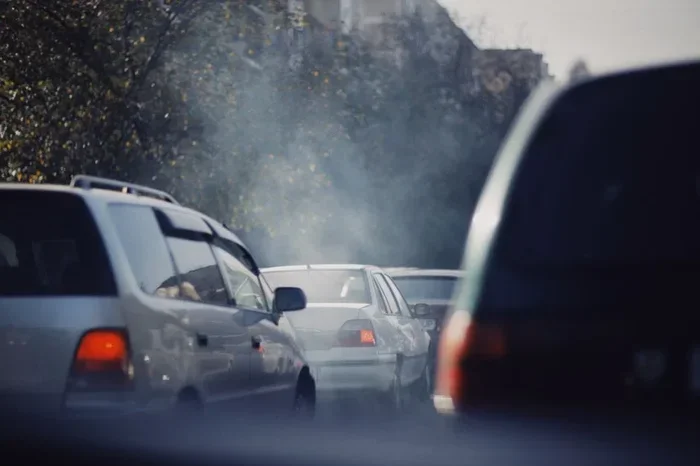
Cars with failing emissions release hydrocarbons, nitrogen oxides, and carbon monoxide. These pollutants contribute to smog and respiratory problems. Regular inspections catch vehicles that are polluting too much.
By keeping cars well-maintained, everyone benefits. The air stays cleaner. Public health improves. And the environment is protected for future generations.
Frequently Asked Questions
Does the buyer ever have to pay for smog in N California?
Yes, in some cases. If the buyer agrees to take over the smog process, they will pay. This often happens in “as is” sales. Always clarify who pays before finalizing the deal.
Can I sell my car in N California without a smog certificate?
Most cars need a valid smog certificate to be sold legally. However, some vehicles are exempt. These include new cars under four years old and certain diesel trucks. Check the CARB guidelines for specific exemptions.
How long is a smog certificate valid for in N California?
A smog certificate is valid for 90 days from the date of inspection. This gives both the buyer and seller time to complete the sale and title transfer. If the sale takes longer, a new smog check may be needed.
What should I do if my car fails the smog check?
You have 90 days to repair the issues and get a re-test. Many smog stations offer reduced re-test fees. Keep all repair receipts, as they may be needed for a smog waiver.
Are there any discounts available for smog checks?
Some stations offer discounts or coupons. The Bureau of Automotive Repair website lists licensed stations with current promotions. Always verify the station is licensed before getting the inspection done.
Do electric vehicles need smog checks in N California?
No. Electric vehicles are exempt from smog checks. They produce zero tailpipe emissions. This is one of the many benefits of driving an EV in California.
Final Thoughts
Understanding n California who pays for the smog when selling a car makes the selling process much smoother. In most cases, the seller handles the smog check and pays the fee. But clear communication between the buyer and seller is essential.
Both parties should know the California smog laws and their responsibilities. A little preparation goes a long way. Whether you are selling or buying, staying informed protects your wallet and your time.
Follow the tips in this guide and you will navigate the smog process with confidence. A clean smog report is a great selling point. It shows the car is well-maintained and ready for its next owner. Take the time to get it right, and the sale will go much more smoothly for everyone involved.